In lane Planning & Budget
Smart Budget Tips for Planning Your Dream Wedding
Description
Planning a memorable wedding doesn't have to be expensive. Discover essential tips to manage your budget while still creating a personal and beautiful day.
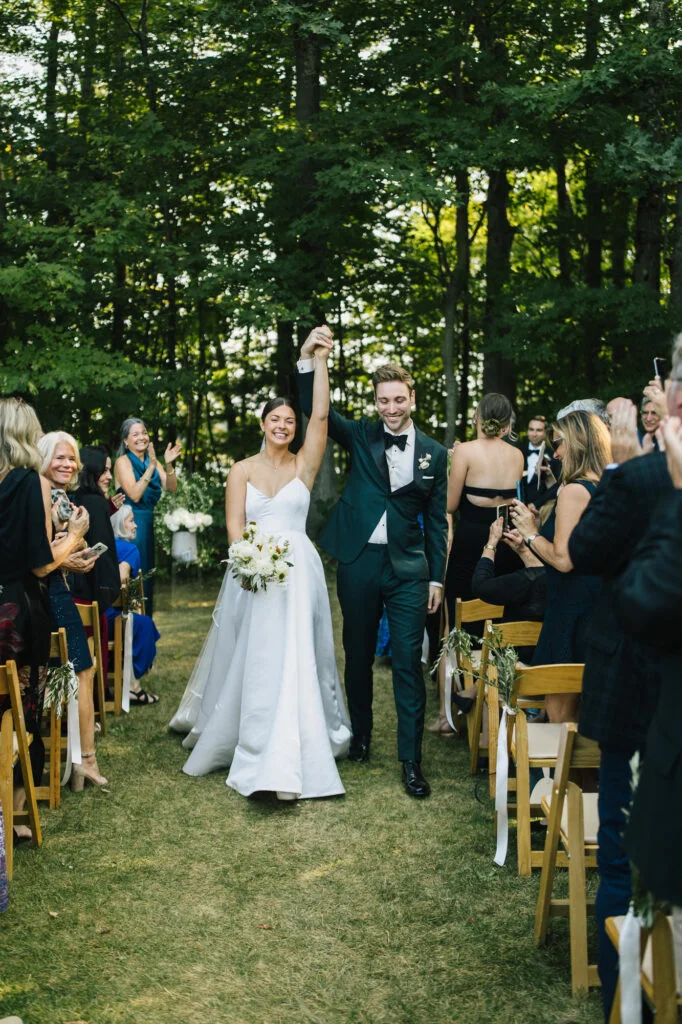
Planning a wedding is an exciting journey that holds immense significance for couples, but it's also a path laden with expenses that can escalate quickly. The combination of venue costs, catering, floral arrangements, and photography can soon impact your savings. Fortunately, there are effective strategies to help keep your wedding financially feasible without sacrificing its beauty or personal touch. Here are some crucial budgeting tips every couple should consider when facing wedding planning.
Photo by Nathan English Photography
Set Your Total Budget Upfront
Before you start making any commitments—from venue tours to dress fittings or hiring photographers—decide on your total budget. This figure should reflect your financial comfort level, accounting for your savings, any family contributions, and the time you have to save. Once your total budget is established, break it down into categories: venue, food, attire, photography, floral arrangements, and rentals. By setting clear limits from the outset, you’ll have a roadmap that prevents the common pitfall of falling head over heels for options that exceed your financial capability.
A substantial portion of spending often goes to the venue and catering, so knowing your limits here will shape the rest of your budget decisions powerfully.
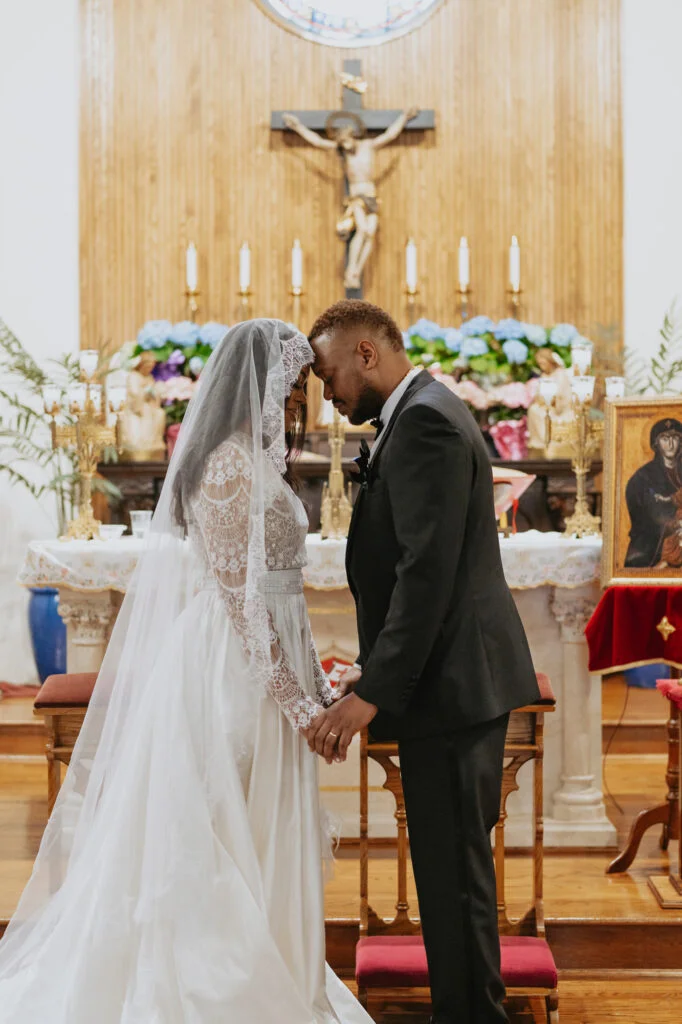
Photo by Alena Kostromina
Select the Right Date
Your chosen wedding date can significantly impact your costs. Saturdays during peak wedding season typically carry a higher price tag. If you're flexible, consider options like Friday, Sunday, or even weekdays; these alternatives often provide a chance to save substantially on both venues and vendor services. Additionally, winter weddings in certain locations, such as Michigan, tend to be more affordable than summer or early fall dates.
Flexibility in scheduling not only enhances negotiation leverage but also unveils access to venues and vendors that might have otherwise seemed financially out of reach.
Limit Your Guest List Early
One of the most effective ways to trim down wedding expenses is to reduce the guest count. Catering costs, venue size, rental requirements, and even invitations can inflate significantly with each additional person. Concentrate on inviting those who truly matter; a smaller wedding often fosters a more intimate atmosphere and allows for a higher quality experience per attendee, such as improved catering or entertainment.
Choose a Venue with Inclusions
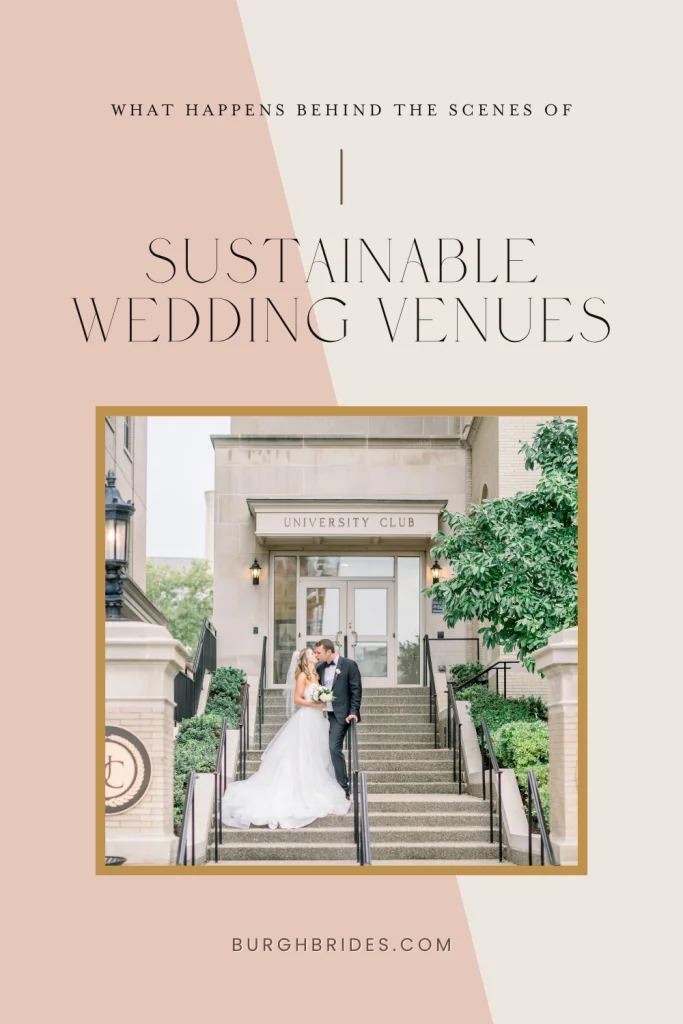
Venues that provide tables, chairs, linens, and even basic decor can save a substantial amount of money. Opting for an empty space, like a field or warehouse, might seem appealing but usually results in additional rental costs. Look for venues that offer packages, as they often include essential services, whether it be catering, event coordination, or bar services, which can be more affordable than securing each service separately.
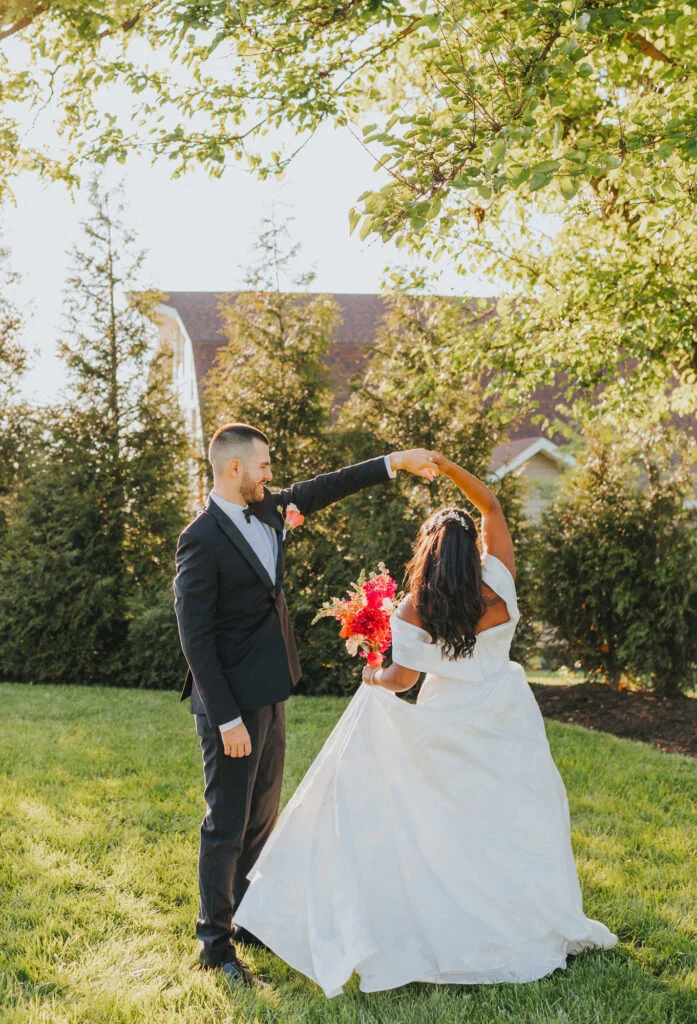
Photo by Savannah Faith Photography
Be Smart About Flowers and Decor
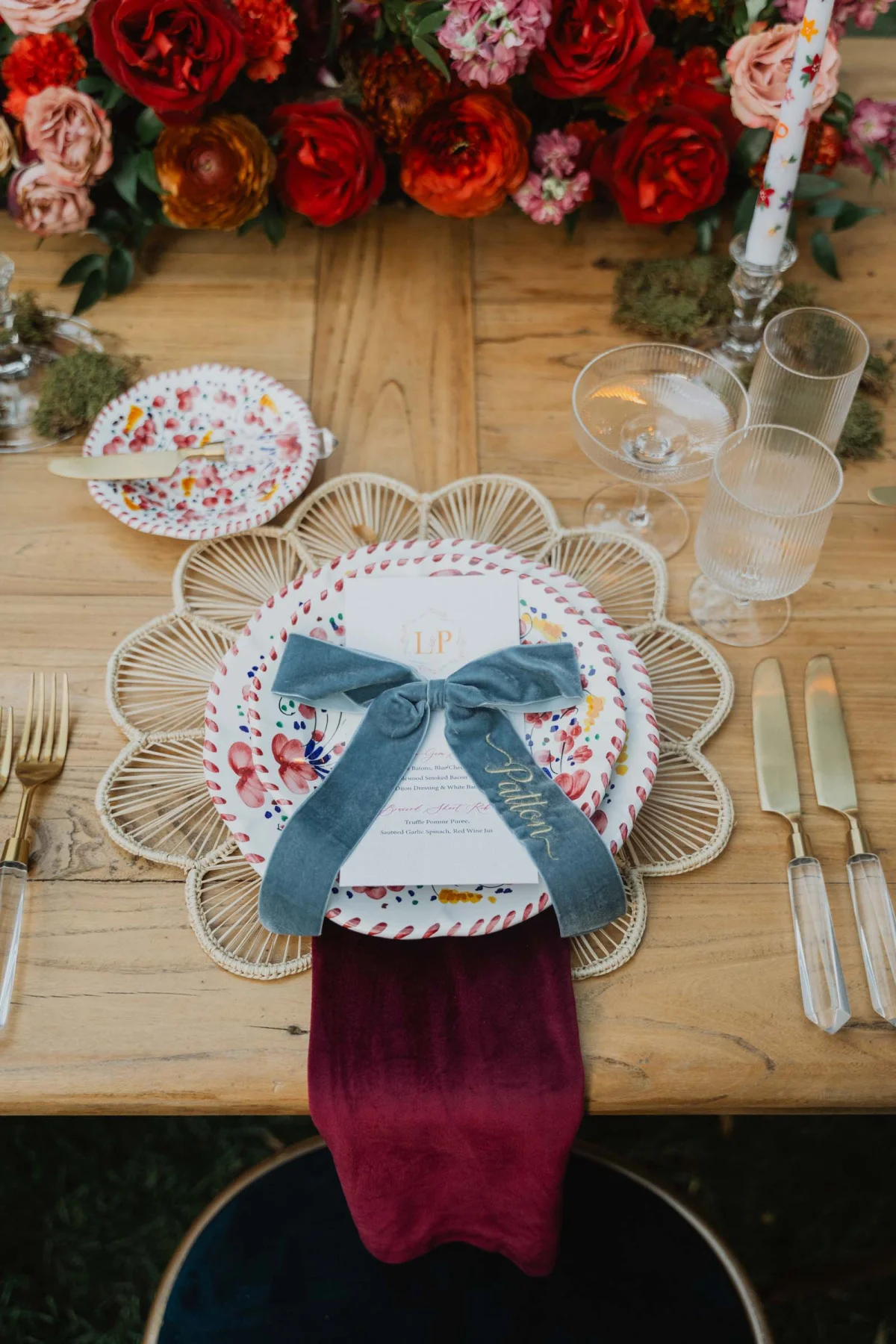
While floral arrangements and decorations can enhance your wedding's ambiance, they're also prone to excessive spending. Target high-impact areas, such as your ceremony backdrop or the bridal bouquet, while keeping the rest simple with elements like greenery and candles. Opt for in-season flowers and consider repurposing pieces from the ceremony for the reception to maximize your floral budget.
Eschew Unnecessary Extras
Some wedding traditions carry hefty price tags but may not hold significant meaning for every couple. Items like favors, intricate signage, or customized items can easily add up without being remembered by guests. Prioritize your budget by simplifying areas like rental costs, transportation, or late-night snack options, and concentrate on elements that enhance the guest experience, such as food, drinks, and entertainment.
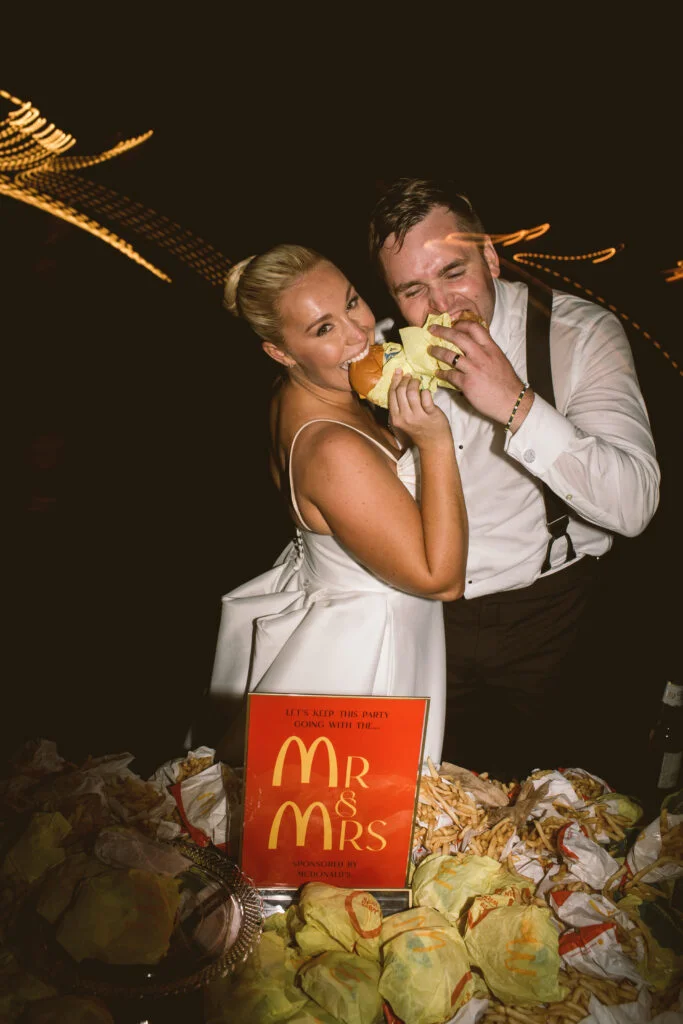
Photo by Alyssa Mcelheny Photography
Invest Where It Counts
Every couple possesses different priorities when it comes to spending. Whether it’s photography, food, entertainment, or the venue itself, determine what matters most to you. Allocate more of your budget to these essential areas while adjusting your spending on less critical aspects. This method ensures that the most important elements of your wedding receive the focus they deserve, even on a limited budget.
Track Every Expense
Even small purchases can add up rapidly and inflate your budget unexpectedly. Items like postage, gratuities, and last-minute decor can become significant over time. Use budgeting tools or spreadsheets to keep a meticulous record of every expense, no matter how minor. Having everything documented in one place offers clarity and helps avoid budget-related surprises.
Utilize helpful tools available to couples, like a tailored budget expense tracker readily available for download on wedding planning sites.
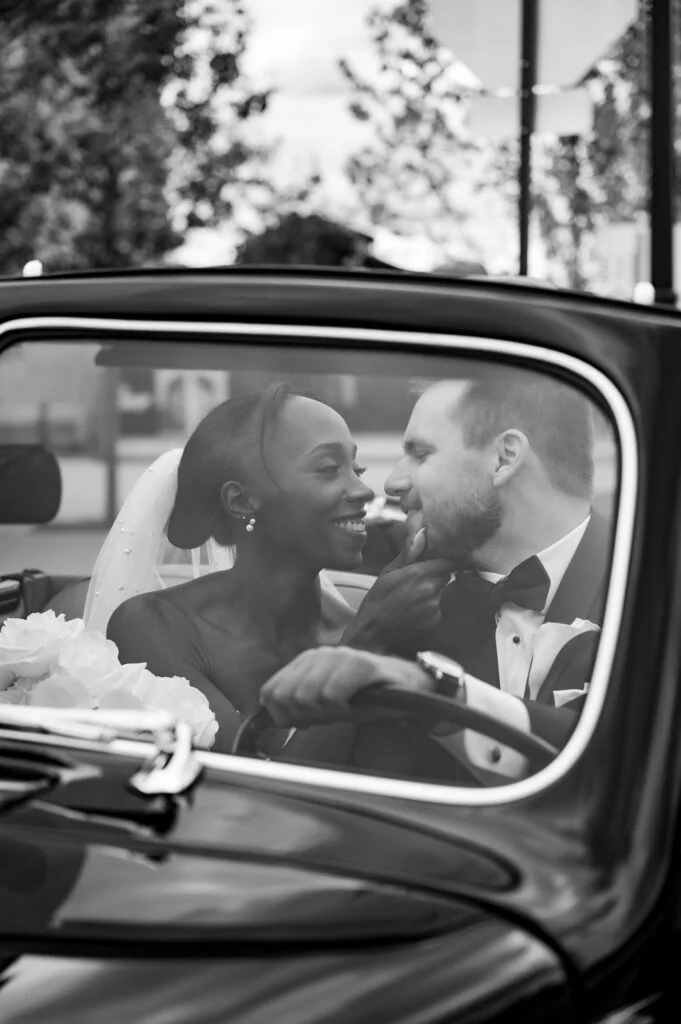
Photo by Patty Lenor Photo
Focus on What Truly Matters
It's easy to get bogged down by the plethora of ideas found on social media or wedding blogs. The most significant weddings aren’t necessarily the most extravagant—they're the ones that embody the couple's personality and their love journey. By staying organized, being intentional with spending, and maintaining focus on what’s genuinely meaningful, you can create a wedding day that's not only beautiful but also memorable and true to you, all while keeping your budget intact.