In lane Planning & Budget
Understanding the 50/30/20 Budgeting Framework for Your Wedding
Description
Discover how the 50/30/20 budgeting rule can help you manage your wedding expenses effectively while staying true to your vision.
If you're diving into wedding planning, you might quickly discover how quickly costs can accumulate. You're not alone in feeling this way! Many couples are turning to the 50/30/20 rule—a practical budgeting approach that helps organize your wedding expenses into clear, manageable categories. But what is it, and how does it work for modern weddings? Let’s break it down!
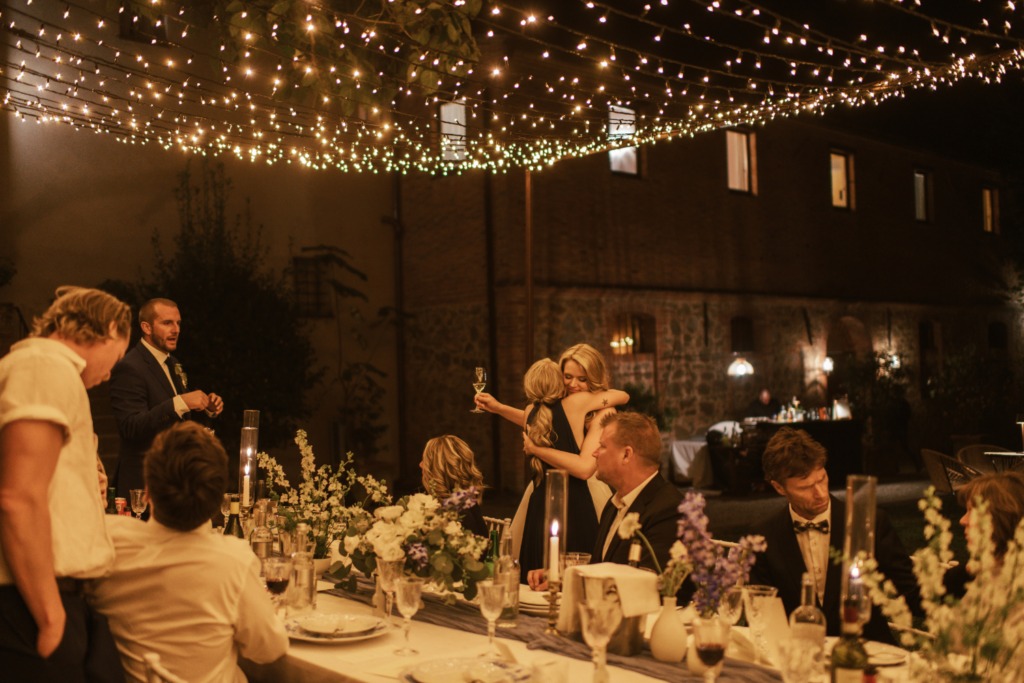
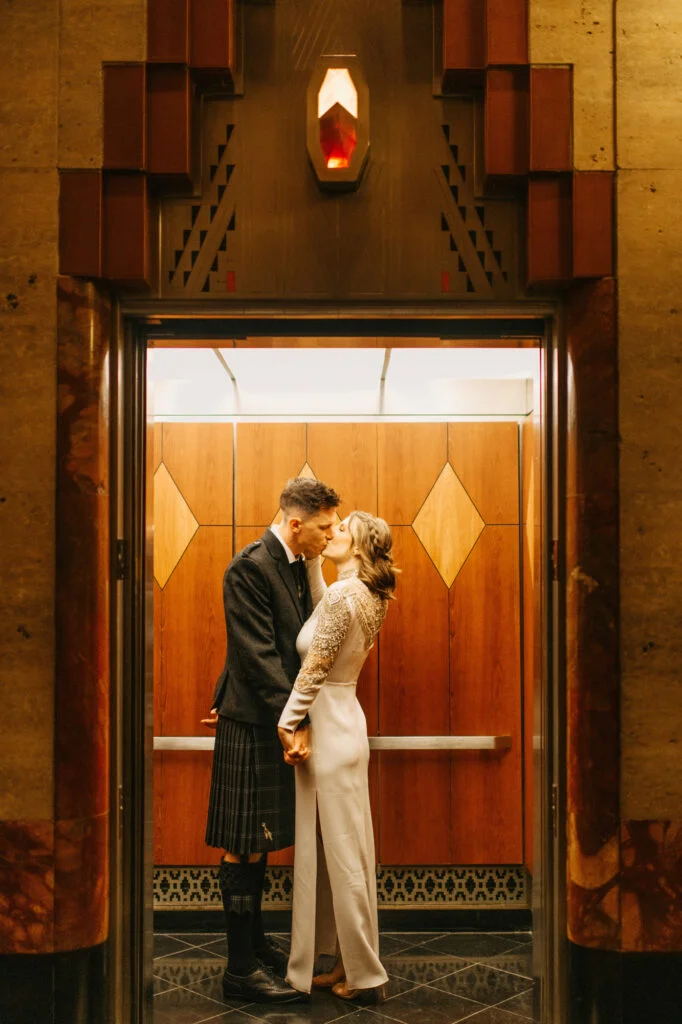
Photo by Heather Jowett Photography
Understanding the 50/30/20 Rule
Originally coined in personal finance discussions, the 50/30/20 rule suggests dividing your income into three categories: needs, wants, and savings. When applied to wedding planning, couples use this framework to distribute their wedding budget across three key spending areas, allowing for clear guidelines that help manage financial expectations.
This structured method provides couples with boundaries while allowing for flexibility according to individual priorities. Here’s how the wedding budgeting rule typically breaks down:
-
50 percent for essential elements like venue, catering, and rentals.
-
30 percent for design, décor, and personal touches.
-
20 percent for photography, entertainment, and other additional vendors.
The Core 50% Category: Foundation of Your Wedding
The largest portion of your budget—50%—is typically dedicated to crucial logistics that make your wedding day possible. This encompasses the venue and catering, which set the stage for your entire event. For a wedding with 100 guests, this allocation can consume a substantial part of your budget, accentuating the importance of confirming your guest count early in the planning process.
The 50% category generally includes:
-
Venue rental fees
-
Catering costs (including food and beverages)
-
Bar services
-
Rentals, which may consist of tables, chairs, linens, and flatware
-
Applicable service fees and taxes
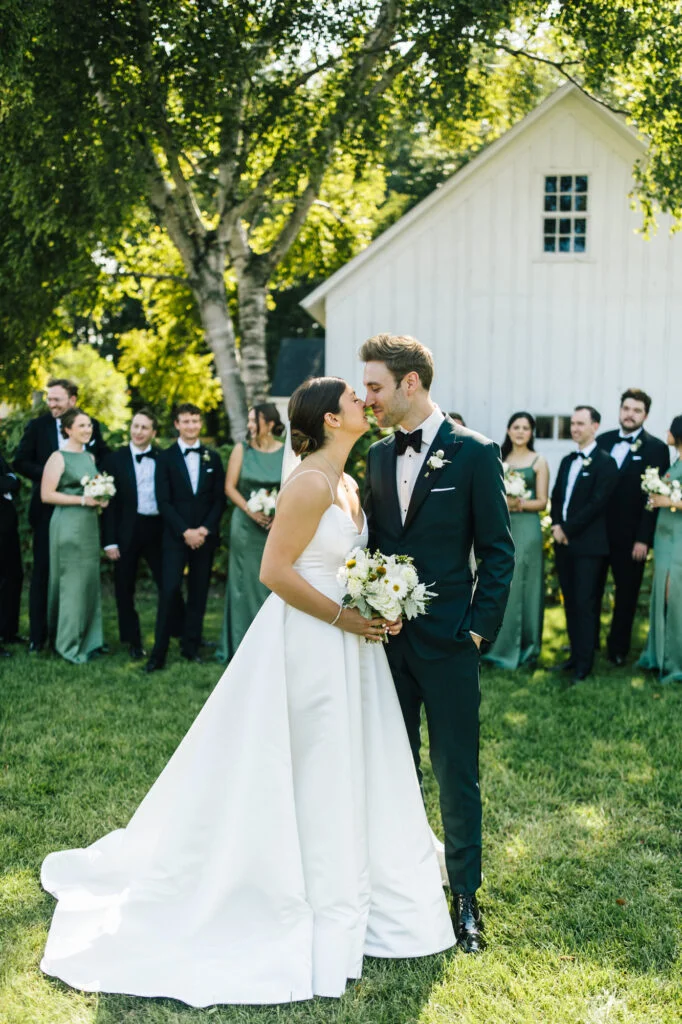
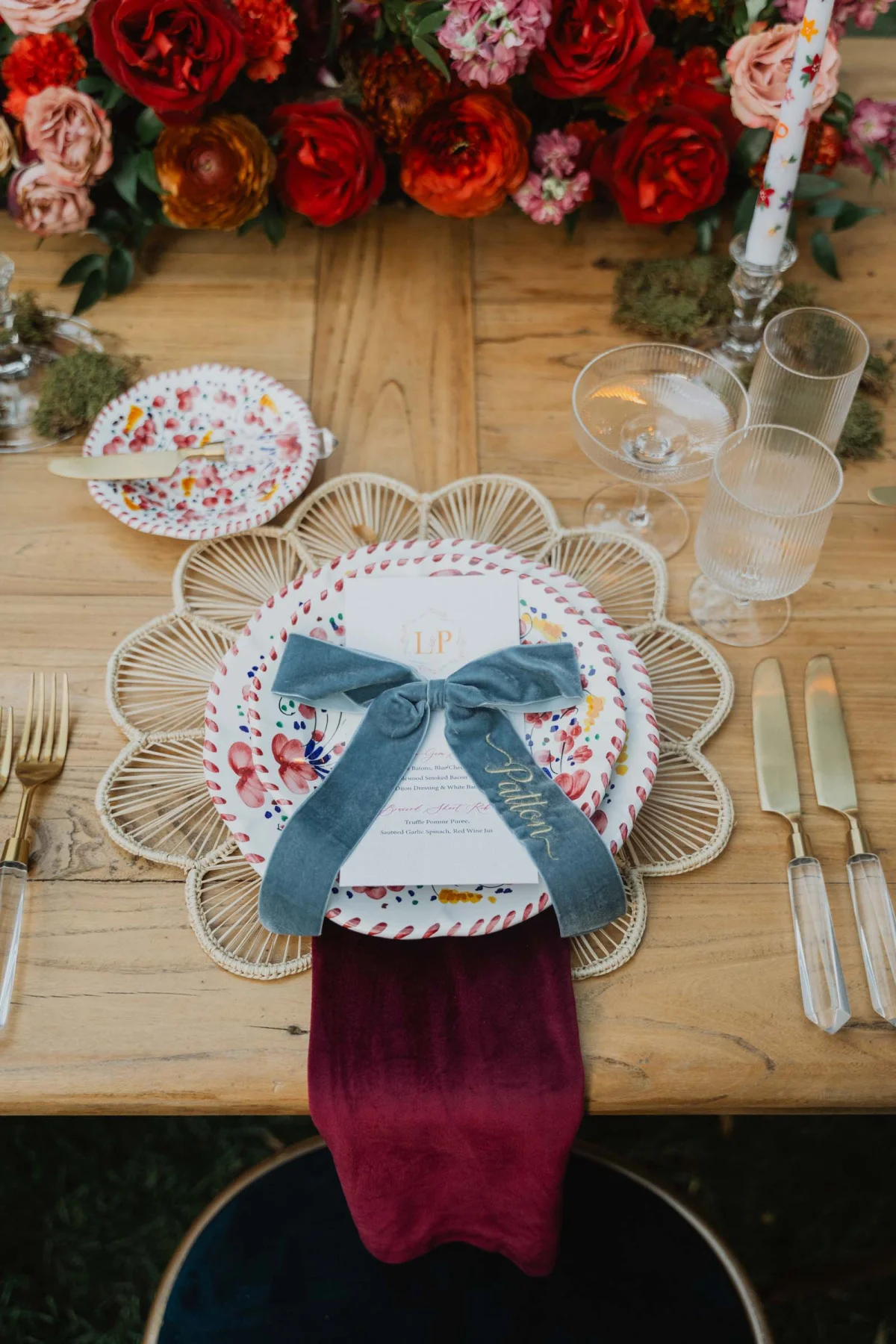
Photo by Nathan English Photography
The 30% Category: Making It Personal
This segment is all about showcasing your personality. It's where your style comes to play, influencing both the aesthetic of your wedding and how it’ll visually resonate in photographs. If an elevated look is crucial for you, consider allocating a bit more budget here. Conversely, if a more minimalist approach appeals to you, redirect those funds to other areas.
The 30% category typically covers:
-
Floral arrangements
-
Decor elements
-
Lighting solutions
-
Wedding attire for the couple
-
Hair and makeup costs
-
Stationery (like invites and programs)
-
Ceremony styling
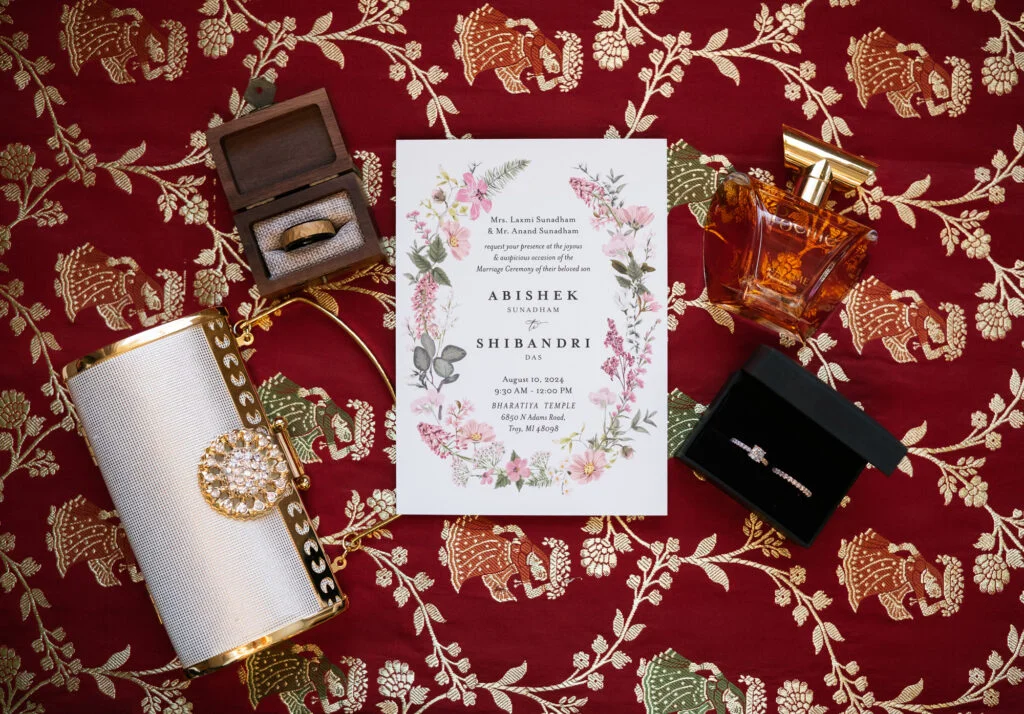
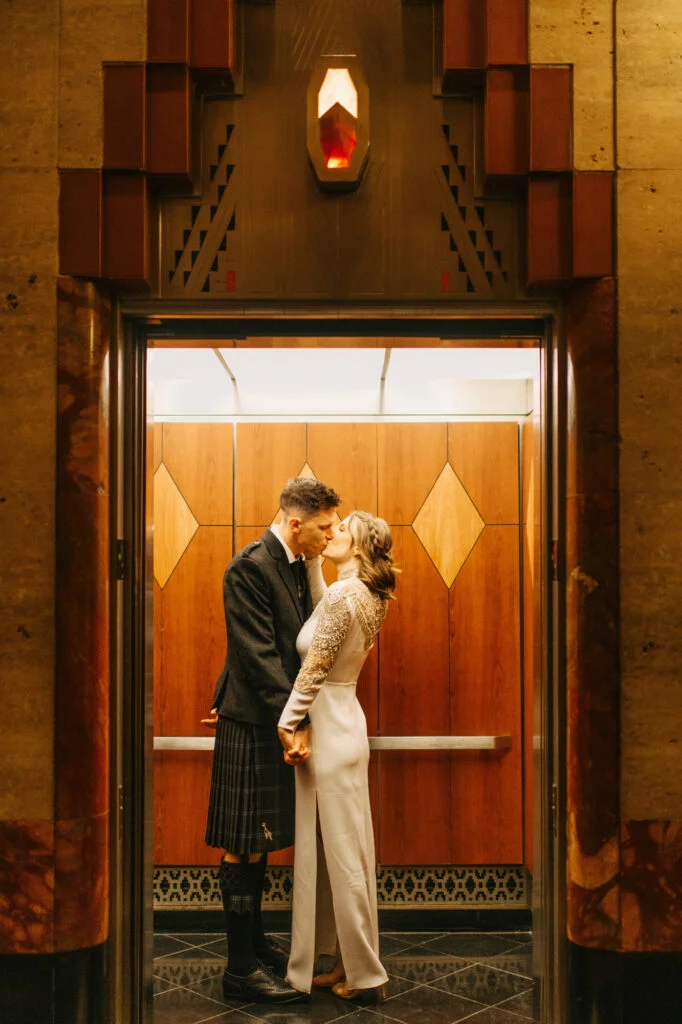
Photo by Dave Ang Photography
The 20% Category: Capture and Celebrate
The final 20% typically goes toward vendors who enhance the day and preserve your memories. Many couples prioritize photography in this category, as those captured moments last long after the day concludes. If your top value lies in preserving memories, you might adjust your budget to increase this category's share.
Common expenses in this section include:
-
Photographer fees
-
Videography charges
-
Entertainment costs (DJ or band)
-
Officiant payments
-
Wedding planner or coordinator retainer
-
Transportation expenses
-
Miscellaneous costs
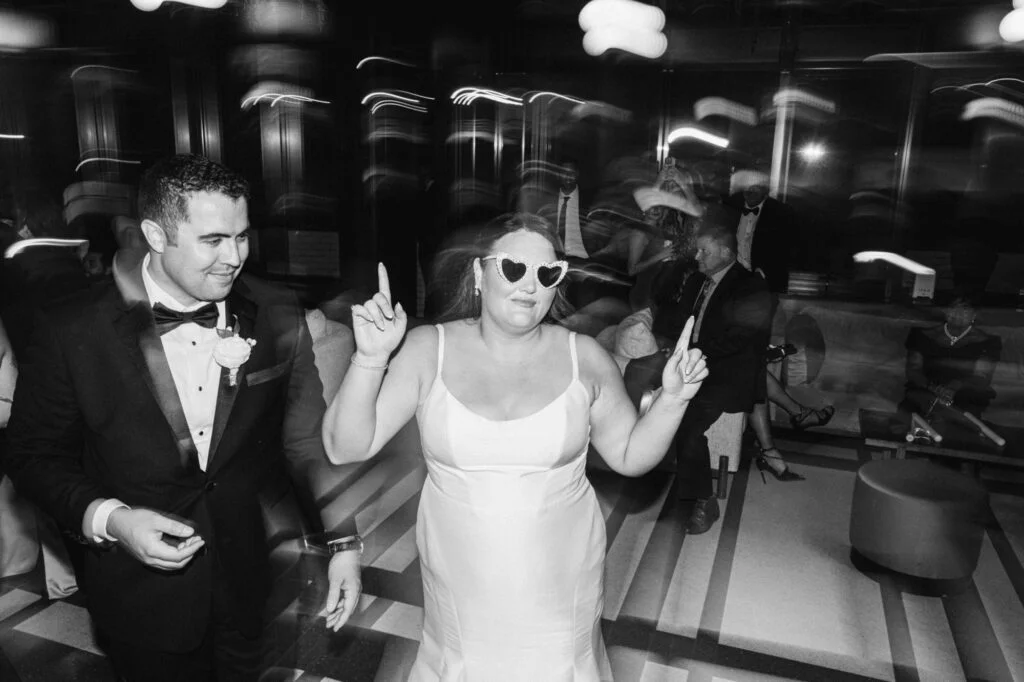
Photo by Alicia Frances Photography
Putting the 50/30/20 Rule into Practice: A Concrete Example
To illustrate this method, let’s consider a wedding budget of $30,000. This structured approach offers clarity right from the start. As you begin receiving vendor quotes, you can assess whether the expenses fit within each category or if adjustments are necessary.
Here’s a breakdown:
-
50% = $15,000 for venue, catering, and rentals
-
30% = $9,000 for florals, attire, décor, and beauty
-
20% = $6,000 for photography, music, planning, and extras
Is This Rule Practical for Today’s Weddings?
Costs associated with weddings have shifted significantly over recent years, particularly regarding food and beverage. In some regions, catering expenses can exceed half the budget on their own. This doesn’t mean the 50/30/20 rule isn’t viable; rather, it means you may need to adapt your percentages to fit your specific situation.
It’s not uncommon for couples to find that a more realistic breakdown is closer to 55/25/20 or even 60/25/15. The important aspect of this structure is that it promotes intentional decision-making rather than impulsive spending, emphasizing that the overarching goal is finding balance, not perfection.
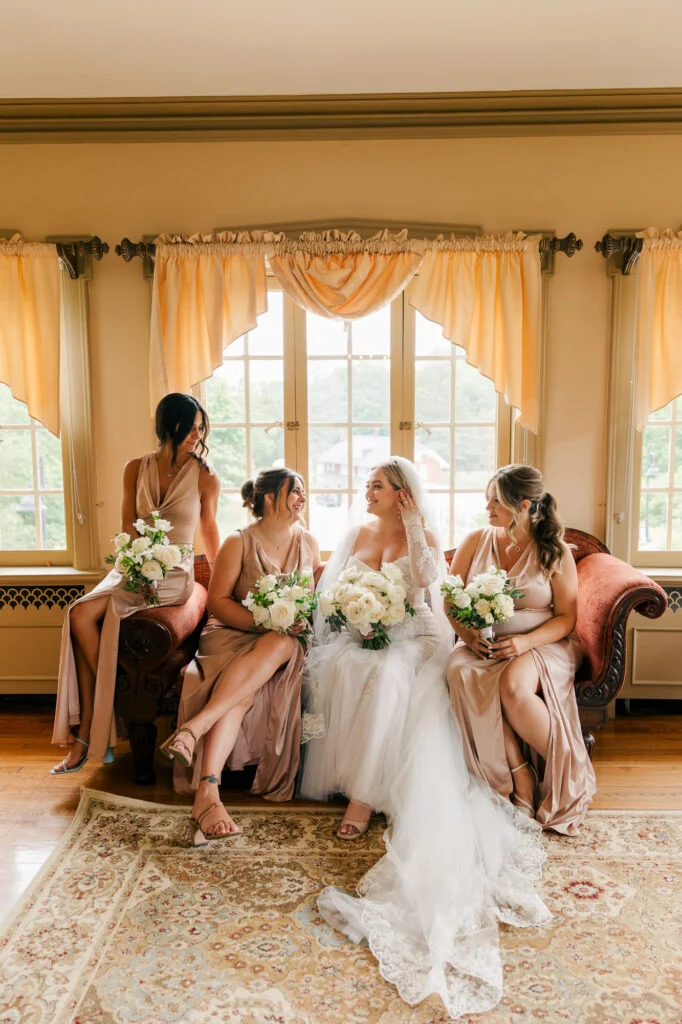
Photo by Chrystin Melanie Photography
When Is the 50/30/20 Rule Most Effective?
This budgeting framework works exceptionally well for couples seeking a balanced celebration in a traditional venue with a full guest list. It's particularly useful for those who are planning independently and need straightforward parameters to avoid overspending. Conversely, if you're organizing a micro wedding, destination event, or backyard celebration, this rule may not perfectly align with the cost structure. However, you can still adopt the spirit of the framework by categorizing your budget based on essential priorities.
Tips for Successful Implementation
As you apply the 50/30/20 rule, it’s vital to monitor your spending closely. If one category starts to exceed its budget, look for possible savings in another area instead of raising your overall limit. One common pitfall couples encounter is booking venues or photographers based solely on emotional appeal; understanding how these choices impact your entire budget helps prevent a financial chain reaction.
To get started:
-
Determine your comfortable wedding budget—an amount that feels financially responsible, not just a maximum figure.
-
Create a budget spreadsheet, segmenting vendors into the defined categories.
-
As you confirm vendors, keep track of how your expenses line up within each budget section.
Embarking on wedding planning can feel overwhelming when vendor estimates exceed expectations. However, using the 50/30/20 rule can lend clarity to the financial aspects of planning, offering a starting point that is structured yet flexible. Remember, your wedding budget should reflect what matters most to you as a couple, facilitating a thoughtful and financially responsible celebration.
If you’re beginning the planning journey, pairing this budgeting technique with a comprehensive wedding checklist can empower you to navigate the process effectively, minimizing stress that often arises from unclear financial choices.