In lane Planning & Budget
Understanding Your Wedding Planning Personality: Introvert, Extrovert, or Ambivert?
Description
Explore how identifying your personality type can ease wedding planning and enhance your celebration, adapting strategies for introverts, extroverts, and ambiverts.

Your personality type plays a significant role in shaping your wedding planning experience. Each type—introvert, extrovert, or ambivert—brings its own strengths and challenges to the process, influencing how you interact with vendors, manage decision-making, and ultimately enjoy your special day. Recognizing your specific style allows for a more tailored planning approach that minimizes stress and maximizes satisfaction, ensuring that your wedding day is a true reflection of who you are.
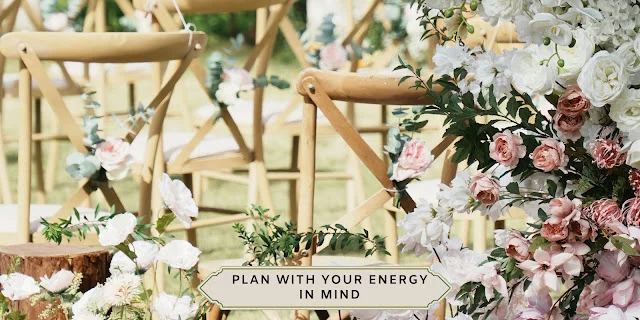
Understanding Your Types: Introvert, Extrovert, and Ambivert
It's not uncommon for some couples to glide through wedding preparations with ease while others feel drained by even simple decisions. This variance often stems not from a lack of organization or oversight but from a fundamental misalignment in personality. Understanding whether you classify as an introvert, an extrovert, or perhaps an ambivert can transform the planning process from a burden to a joyous adventure.
For introverts, wedding planning can initially seem overwhelming. They often favor a "Sensory Edit," appreciating details like the weight of a linen menu or the ambiance created by candlelight. These details are essential, but the social aspects of vendor consultations can be taxing. Introverts thrive on 'Batch-Planning,' where tasks are grouped together to minimize overstimulation.

On the other end of the spectrum, extroverts approach wedding planning with enthusiasm, finding joy in collaboration. The "Fun Side" of planning energizes them, as they engage in taste tests and vendor meetings. However, they may also risk burning out their "Social Battery" if they aren't careful about managing their schedule.
Then there are ambiverts, who represent a middle ground. These planners can adapt their methodologies depending on the situation; they may enjoy leading a meeting one day and relishing quiet details the next. Recognizing these nuances can not only guide the planning phase but help ensure that the day itself resonates deeply with personal values.

The Introvert Planner: The Power of Curation
Introverts often lead with a discerning focus and require a carefully curated approach to planning. This involves researching vendors meticulously and setting clear communication boundaries. To protect their energy, it's essential to limit direct interactions to specific days, allowing for recovery time and creative thought.
- Your Style: Deep research is your forte; you need to vet portfolios and read through reviews before engaging with vendors.
- The Drain: Constant check-ins or back-to-back site tours can deplete your energy, pulling you away from meaningful connections.
- The Refined Strategy: Establish firm communication protocols, utilizing email primarily, and block out dedicated time for in-person dialogue.
The Extrovert Planner: The Art of Collaboration
For extroverts, wedding planning is all about partnership and collaboration. They thrive when engaging with others, drawing inspiration from the energy of their vendors, and they love the joy of planning tasks, such as tastings and meetings.

- Your Style: Collaborative brainstorming sessions help you refine ideas and build excitement.
- The Drain: Being isolated during the administrative parts of planning can stall your progress.
- The Refined Strategy: Turn tedious tasks into social gatherings by involving a friend or meeting in lively environments.
The Ambivert Planner: The Balanced Harmonizer
The ambivert planner possesses traits from both personality types, balancing focus and interaction. They can switch from quiet observation to leading discussions seamlessly.
- Your Style: You’re intuitive and adaptable, choosing when to engage dynamically and when to retreat into concentration.
- The Drain: Juggling too many high-energy tasks can lead to frustration and disorganization.
- The Refined Strategy: Schedule both high-energy vendor meetings and low-key planning days to create a rhythm that enhances your strengths.
Pre-Engagement Planning: A New Strategy
A growing trend is the pre-engagement planning phase, where couples begin logistics even before the proposal. There's nothing rushed about it—instead, it’s a strategic approach to secure high-demand venues and ensure financial clarity well in advance.
- Secure the Date: Research venues pre-proposal to avoid waiting lists for popular dates.
- Financial Clarity: Discuss budget implications early to manage expenses effectively and coordinate long-term savings.
- Private Curation: Use this quieter period for refining styles and creating mood boards that allow for quick execution once the ring is on your finger.
Transforming Planning from Chore to Joy
Your personality traits dictate much of how you engage with the world, and recognizing your planning personality can be transformational. Embrace this knowledge to shift from reactive planning to a proactive strategy that prioritizes your strengths, resulting in a wedding day that fully articulates your personal narrative.
By understanding the implications of your social energy, you can reduce planning-related burnout and arrive at your wedding day feeling centered and connected to yourself.
Q&A: Addressing Common Concerns
- Is it normal to dread my own wedding if I’m an introvert? Absolutely, many introverts face "Spotlight Anxiety." Centering the day on genuine experiences can help.
- What if my family expects an energetic celebration when I need quiet? Negotiate for a smaller ceremony with a larger celebration later to preserve your energy.
- How do I navigate different personality types with my partner? Embrace "Energy Transparency" to find a balance that respects both needs.
Understanding yourself is the first step towards planning a beautiful wedding that feels authentic to you. With clear strategies tailored to your personality, your journey can transition from daunting to delightful.