In lane Planning & Budget
Finding Balance: Tips for Planning a Wedding as an Introvert Bride and Extrovert Groom
Description
Craft a wedding that unites an introvert bride’s desire for intimacy with an extrovert groom’s love for celebration, all while ensuring both partners feel at ease.

Planning a wedding can be a delightful, albeit challenging, experience—especially for couples with contrasting personalities. When you're navigating the balance between an introvert bride and an extrovert groom, it’s essential to recognize each partner's needs and find harmonious solutions that celebrate their unique characteristics. Here’s how you can successfully integrate both energy styles into a stress-free wedding day.
Finding Common Ground in Wedding Size
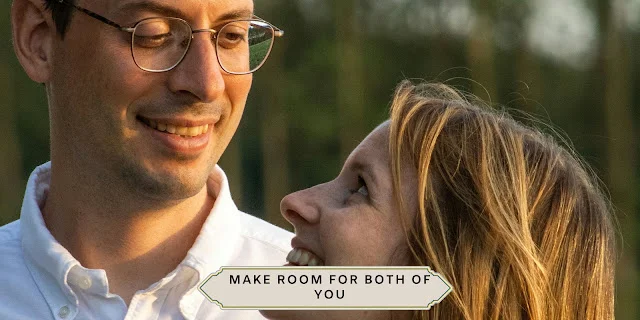
Start by addressing a common point of contention: the guest list. Introverts often prefer intimate gatherings, while extroverts thrive in celebratory environments. To strike a balance, consider a "Quality over Quantity" approach. This means creating a "Refined Guest List" for the ceremony, inviting only close friends and family to maintain the introvert's comfort, while allowing for a larger reception that satisfies the extrovert’s need for social connection. This not only creates a more comfortable atmosphere for the introvert but also ensures the extrovert can revel in the vibrant energy of a lively celebration.
Understanding Energy Duality
Before diving into the wedding details, it’s essential to understand how each partner’s social energy manifests. The introvert may feel overwhelmed at the thought of a bustling wedding venue filled with people, while the extrovert may dream of a packed hall full of friends and family. Recognizing this energy duality will help in shaping a joint vision that feels cohesive. Instead of letting these differences become a source of friction, use strategic planning to design a day that honors both partners.
The Guest List: Eliminate Friction
The numbers can quickly become a sticking point. If one partner envisions a 200-guest gala and the other prefers a quiet elopement, find a compromise through a Tiered Invitation model. Limit the ceremony guest list to close family and friends—those who will truly support the couple during their vows. This creates an intimate space while allowing the extroverted partner to invite additional guests for the more relaxed reception later.
Additionally, applying a Data-Driven Filter can help refine who gets invited. If a guest does not have a significant, ongoing relationship with both partners, consider postponing their invitation for the reception. This strategy ensures the bride feels comfortable on her special day, surrounded by familiar faces.
Designing the Ceremony: From Public to Private
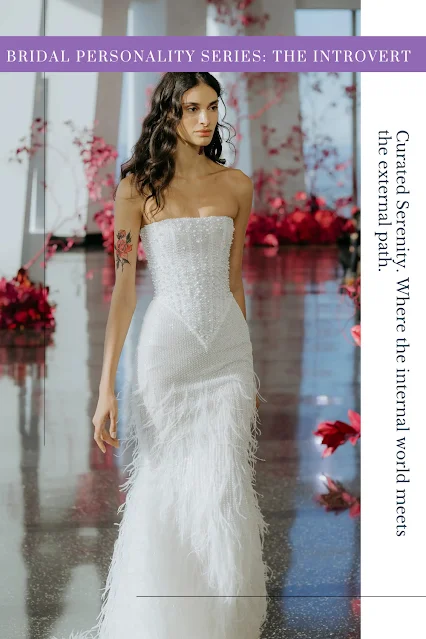
For an introverted bride, traditional wedding elements such as the aisle walk and public vows can evoke anxiety. A practical solution is to hold a Private Vow Exchange during a "First Look" moment. This setting allows for a more intimate exchange of heartfelt promises, removing the stress of a public setting. The public ceremony can then focus on standard vows to create a unified experience while allowing the extroverted groom to further engage with guests through a warm Welcome Toast during the reception.
Creating the Reception Space: Balancing Each Personality
The reception environment is crucial in accommodating both partners' comfort levels. Instead of a single loud venue, consider designing the space with “Social Sanctuaries”—dedicated lounge areas that feature softer lighting and quieter acoustics. These pockets allow guests to have meaningful conversations away from the dance floor, all while providing an escape for the introverted partner. Including a Sweetheart Table positioned with a view of the festivities but slightly set apart can offer the couple a chance to recharge together amidst the celebration.
Key Takeaway: Designing for Balance
A successful wedding acknowledges and celebrates the unique dynamics of both partners. By merging the extroverted wish for a vibrant celebration with the introverted need for peace, your day can be both exciting and intimate. The concept of Energy Transparency will enhance your planning process—allowing you both to express your needs freely. Understanding each other's social needs transforms potential conflict into a celebration of your relationship’s beautiful contradictions.
Quick Q&A: Addressing Common Concerns
How do we navigate the "First Dance" if one partner dislikes being the center of attention? Consider involving all married couples on the dance floor after the first thirty seconds. This honors the groom’s wish while diffusing the focus from just the two of you.
Is it acceptable for an introvert to take breaks during the reception? Absolutely! Incorporate a "Golden Hour Break" into your timeline to allow for a couple of minutes alone to reconnect without the buzz of the party.
How can I communicate my need to exit the celebration without seeming abrupt? Establish a subtle "Code Word" ahead of time. This can signal to your partner when it’s time to transition or to leave, ensuring the moment stays light and respectful.
Ultimately, creating a wedding that caters to both the introverted and extroverted sides of your relationship can set a precedent of understanding and balance. By learning to communicate and plan with respect to each other's comfort zones, you’ll set the stage for a memorable day and a stronger partnership ahead.