In lane Planning & Budget
Understanding Jewish Wedding Invitations: A Practical Guide for Couples
Description
Jewish wedding invitations blend tradition and personal style, incorporating Hebrew, symbols, and key details about the ceremony. Explore essential elements and tips for design.
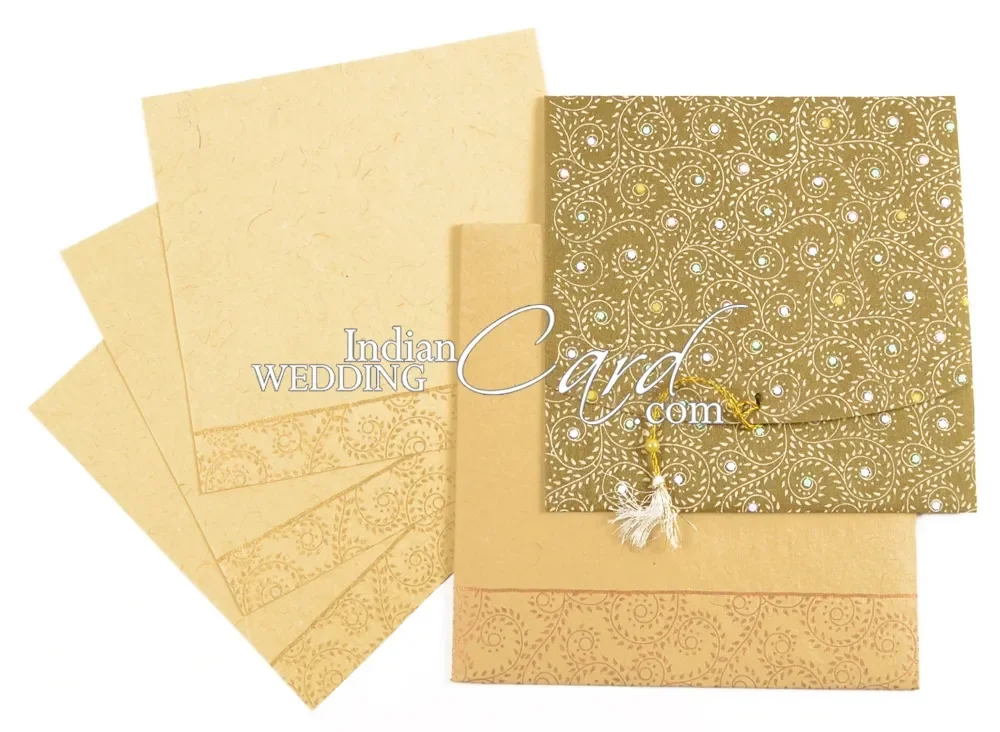
Jewish wedding invitations are not just formal documents; they encapsulate the essence of a family’s identity and celebration style. These invitations are a significant element of the wedding, often leaving little room for errors, as they convey the formality and importance of the occasion. Many invitations incorporate Hebrew language, traditional symbols, and designs that are reflective of Jewish culture and the couple's unique personalities.
Defining a Jewish Wedding Invitation
Wedding invitations in Jewish culture often reflect family customs and serve as a canvas for the couple's self-expression. Typically, these invitations will prominently feature the names of the couple, forming the heart of the message. Whether rooted in tradition or modernity, Hebrew words and symbols—such as hexagrams or wedding sayings—may be integrated into the design.
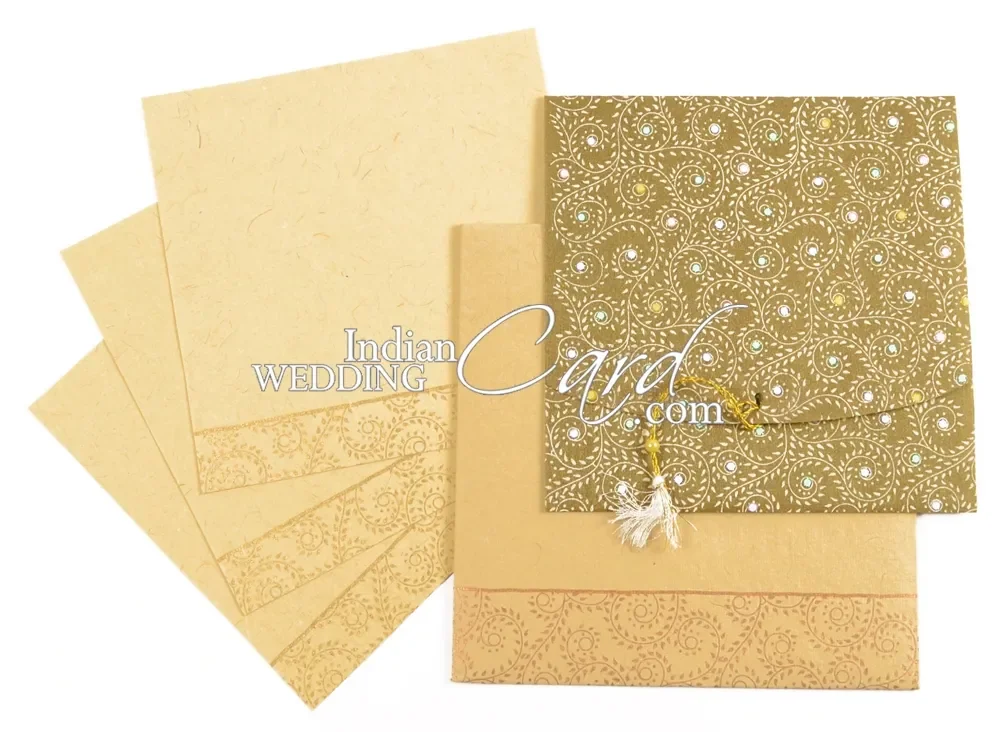
The spectrum of Jewish wedding invitations spans from traditional styles filled with customary motifs to contemporary designs that emphasize minimalism and creativity. Knowing the range of possibilities allows couples to select an invitation that resonates with their chosen theme.
Essential Components of a Jewish Wedding Invitation
Jewish wedding invitations include standard invitations elements, alongside additional details that reflect cultural practices or specific rituals associated with the ceremony.
| Invitation Element | What It Communicates |
|---|---|
| Couple’s names | Who is getting married |
| Wedding date | The date of celebration |
| Ceremony time | When to arrive |
| Venue | Where the ceremony will take place |
| Reception details | Information about post-ceremony celebrations |
| Hebrew wording | A traditional element |
| Jewish symbols | Reflects heritage |
| RSVP details | How guests confirm attendance |
| Dress code | Guidance on what to wear |
Beyond these key details, invitations may also include enclosure cards for the reception, RSVP instructions, directions, and accommodation information. Many couples benefit from a linked wedding website containing extensive details for guests.
Crafting the Wording
The formality of language in Jewish wedding invitations heavily depends on whether the couple opts for a traditional or modern approach. Traditional text may embed Hebrew blessings or phrases, while contemporary invitations might integrate just a single Hebrew word or symbol.
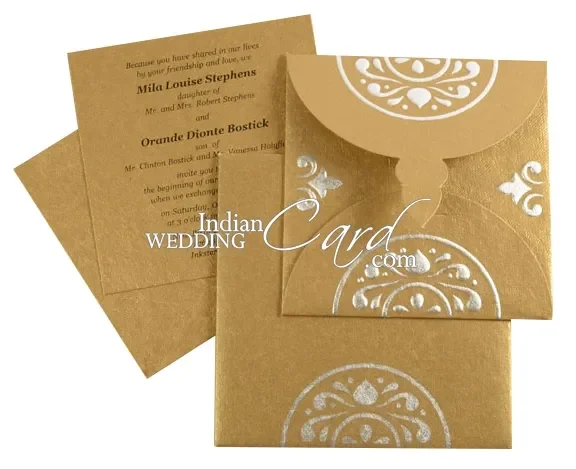
For instance, a heartfelt invitation might read:
“With joy in our hearts,
we invite you to celebrate the marriage of
[Name] & [Name]
as we begin our journey together.”
This should be followed by the event's date, time, and location details. Balancing English and Hebrew ensures inclusivity for all guests.
Incorporating Hebrew Language
In many cases, invitations will include Hebrew text for names, dates, or traditions. While some couples prefer a dual-language approach, others may choose to highlight their Jewish heritage through thematic designs instead.
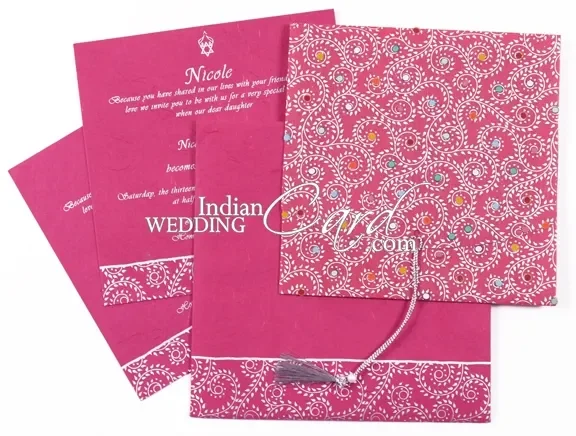
When incorporating Hebrew words, it's vital to have the texts verified by an expert to ensure accuracy, especially for religious phrases.
Symbols Commonly Used in Invitations
Jewish wedding invitations often feature several recognizable symbols:
- Star of David: Frequently serves as a decorative detail in borders or as standalone motifs.
- Chuppah: This wedding canopy symbolizes the home the couple will build together and is often depicted in the design.
- Hebrew Lettering: Elegantly styled fonts that include Hebrew writing elevate the visual appeal.
- Floral and Botanical Motifs: Many modern invitations feature botanical designs that blend traditional Jewish elements with contemporary artistry.
- Jewish Blessings: Relevant blessings can be included to resonate with the couple's families.
Choosing Between Traditional and Modern Styles
When picking a Jewish wedding invitation, couples can choose between traditional formal styles and modern, streamlined designs that may prioritize simplicity.
| Feature | Traditional Style | Modern Style |
|---|---|---|
| Typography | Formal serif or Hebrew-inspired fonts | Clean and minimalist fonts |
| Colors | Gold, ivory, cream and deep tones | Neutral, pastel or contemporary colours |
| Symbols | Star of David, Hebrew text, chuppah | Subtle or simplified symbols |
| Wording | Formal and traditional | Personal and conversational |
| Decoration | Ornate borders and details | Minimal graphics and clean layouts |
Ultimately, the couple may choose to blend elements from both styles, showcasing their personalities and values through their chosen invitation.
A Timely Sending
Ideally, wedding invitations should be sent out about two months prior to the event. This timeframe is crucial as it allows guests ample time to respond and make necessary arrangements, especially for those traveling for the ceremony. Save-the-dates generally go out first, particularly for destination weddings.
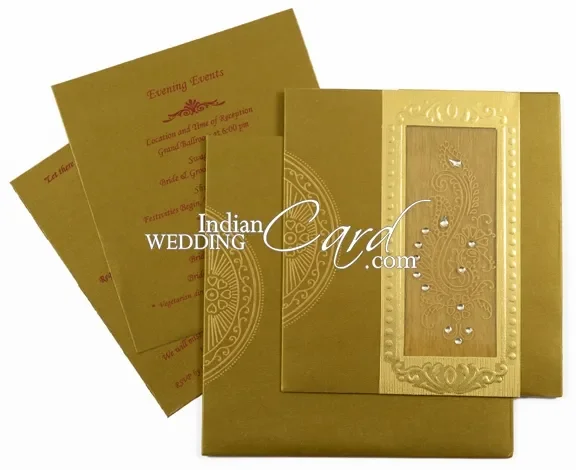
Timely invitations ensure that guests are well-informed about the ceremony location and start times, allowing for efficient planning.
Selecting Your Invitation
When it comes to selecting a Jewish wedding invitation, consider the following factors:
- Wedding Style: Ensure that the invite design aligns with the overall mood of the event.
- Level of Tradition: Decide on the inclusion of Hebrew, Jewish symbols, or other traditional elements.
- Colors: Match the invitation with your wedding color scheme.
- Printing Style: Choose attractive printing techniques such as foil or embossing to elevate the design.
- Guest Information: Double-check all details, including date, time, and RSVP specifics.
- Personalization: Infuse the invitation with unique touches that matter to you, like quotes or family messages.
A thoughtfully designed Jewish wedding invitation encapsulates cultural significance alongside personal style, making it a cherished artifact of the celebration.
Final Thoughts
These invitations play a pivotal role in setting the tone for the wedding and reflecting the couple's cultural backgrounds. By intertwining modern trends with traditional elements, couples can create invitations that tell their unique story while honoring their heritage. After all, the personalization of wording, design, and symbols assures that every detail resonates with the couple and their families, making the invitation much more than just a call to gather; it's an invitation to celebrate love and commitment.