In lane Planning & Budget
Navigating Your 2027 Wedding Floral Budget: Essential Tips for Couples
Description
Planning your 2027 wedding florals? Discover how to set a realistic budget and make cost-effective choices without sacrificing your vision.
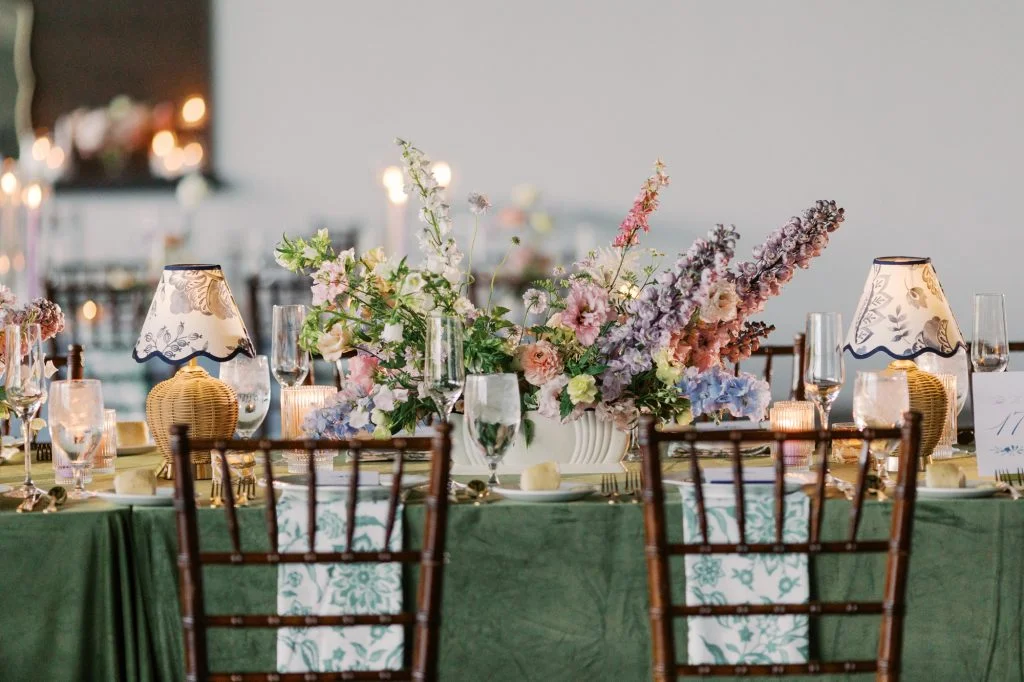
Flowers play a vital role in weddings, evoking emotions and adding elegance. Yet, they can also be unpredictable in terms of cost. While certain wedding expenses like venues or dresses tend to have stable price points, floral costs fluctuate based on choice, timing, and design intricacy. For couples planning weddings in 2027, it’s crucial to devise a realistic floral budget to keep surprises at bay.
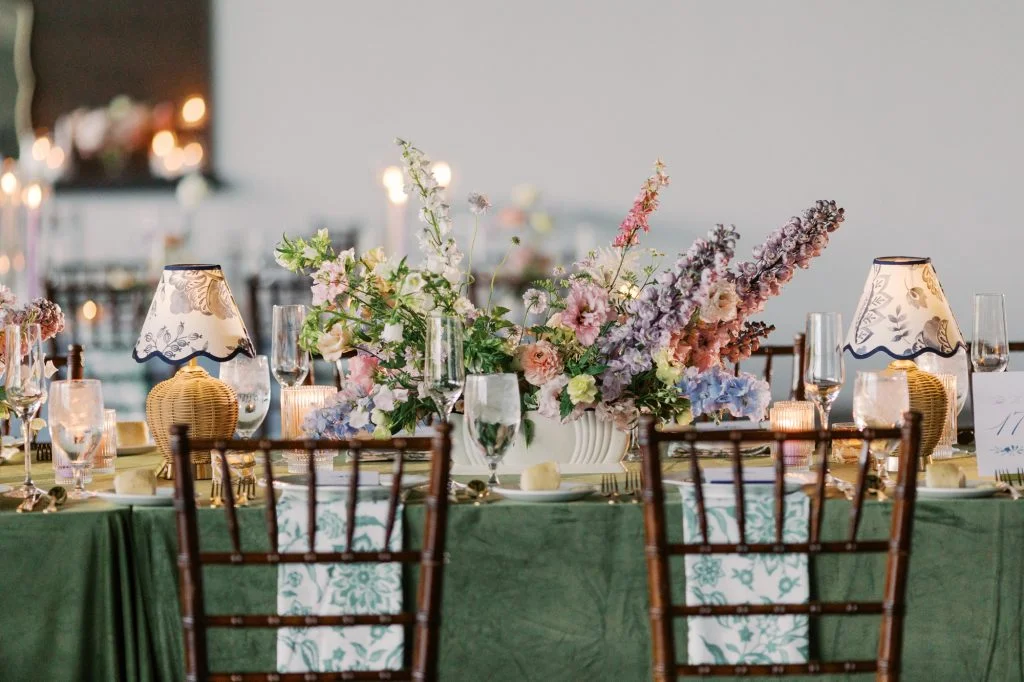
Understanding Flower Costs
Current industry insights indicate that U.S. couples typically spend between $1,500 to $6,000 on wedding florals, with an average falling around $2,800 to $3,500. If you opt for full-service florists who take care of both ceremony and reception arrangements, expenditures can rise to $4,000 to $7,500. On the flip side, couples who prefer a simplified floral scheme comprising personal flowers and a few accents can stay below the $2,000 mark. As you approach your 2027 celebration, consider that floral costs may see a slight increase due to inflation, making it prudent to build a small expenditure buffer into your planning.
On average, florals account for about 8 to 12 percent of the total wedding budget, but for couples prioritizing floral designs, this figure can escalate to 10 to 15 percent, reaching 20 percent or more for lavish, installation-centric weddings. This range is a key budget consideration as it helps frame your overall floral experience.
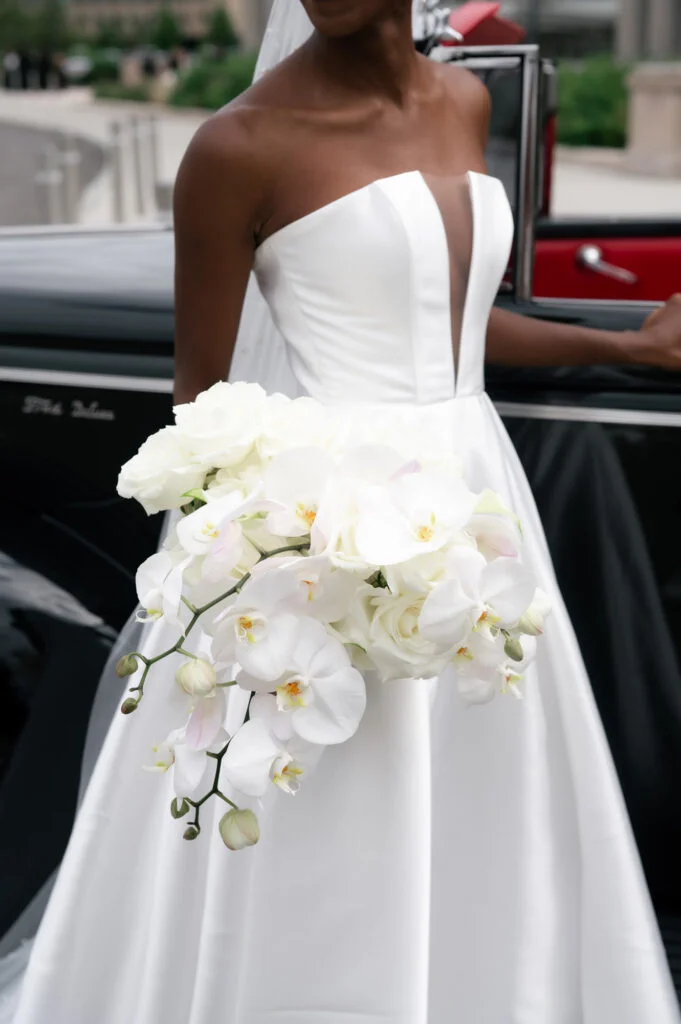
Flower Costs by Wedding Size
Small Ceremony (under 20 guests): $300 to $1,500 — includes essentials like a bouquet, boutonniere, and a small decoration piece.
Intimate Wedding (20 to 50 guests): $1,500 to $4,500 — covers personal florals, modest ceremony decor, and subtle table settings.
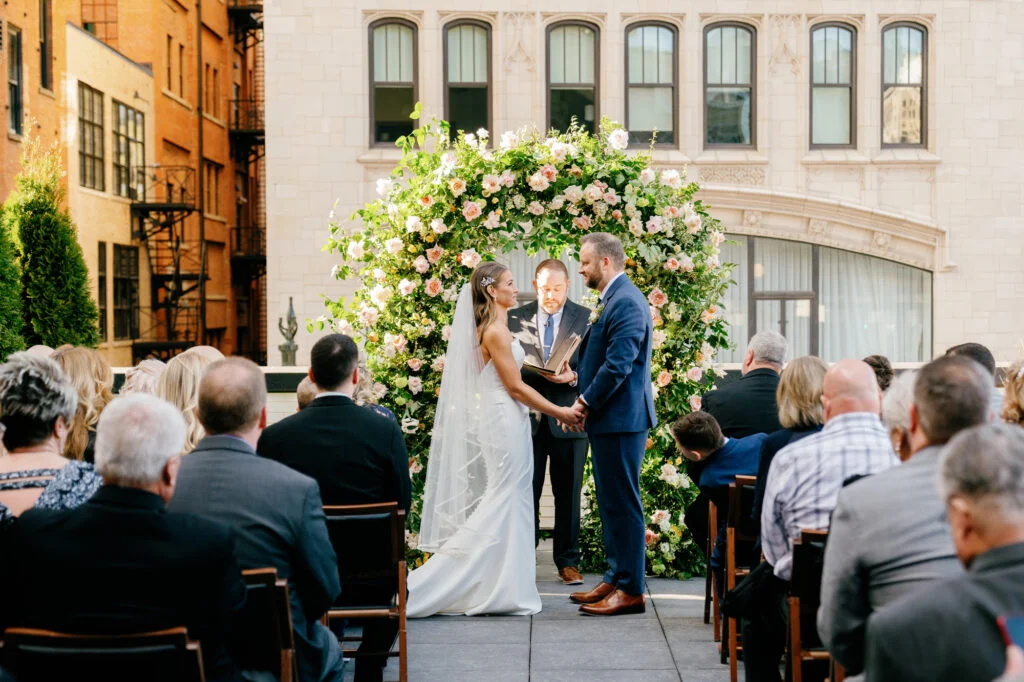
Classic Wedding (75 to 125 guests): $4,500 to $9,000 — provides full personal flowers, ceremony arrangements, and centerpieces for all tables.
Large Wedding (150+ guests): $8,000 to $15,000+ — entails comprehensive floral coverage for personal arrangements, ceremony installations, and robust reception florals.
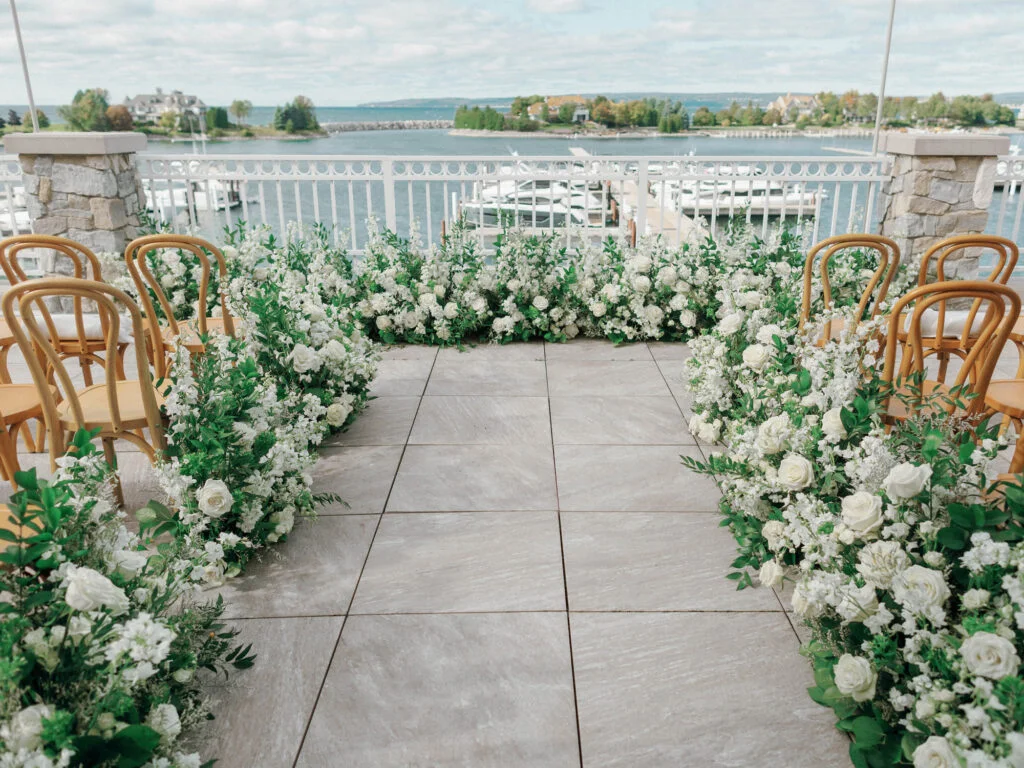
Luxury Weddings (installation-heavy): $15,000 to $30,000+ — includes custom floral installations, premium blooms, and elaborate decorative elements.
Key Factors Affecting Your Floral Budget
- Centerpieces: Often the largest expense, centerpieces can range from $75 to $400 each, depending on complexity. For a 150-guest wedding, this alone could run between $1,500 and $6,000.
- Flower Selections: The cost of your floral choices is impacted by their seasonality. In-season, local blooms are more affordable compared to out-of-season or imported varieties. For instance, while peonies are beautiful, they are expensive and less accessible outside of their spring season.
- Installations: Elements such as floral arches, hanging arrangements, and extensive displays elevate costs significantly, adding both labor and material expenses.
- Guest and Table Count: More guests equate to more centerpieces, thereby increasing floral expenditures based on guest interactions.
- Service Level: Full-service florists generally charge more, covering design, setup, and breakdown compared to limited scope arrangements.
Crafting Your Floral Budget for 2027
- Set a Budget Percentage: Allocate between 6-8 percent for less floral emphasis or 10-15 percent for couples who want flowers to play a central role. Break this amount into categories such as personal flowers, ceremony decor, and reception arrangements.
- Identify Floral Priorities: Figure out where to focus your budget. Spend more on the elements that mean the most to you—whether it’s a striking ceremony backdrop or lush table arrangements.
- Obtain Early Quotes: Book your florist around 9 to 12 months prior to the wedding, especially for peak seasons. Detailed quotes allow for design adjustments without the pressure of a looming deadline.
- Explore Cost-Saving Alternatives: A skilled florist can suggest substitutes that mimic high-end blooms at lower costs, such as choosing garden roses over pricier peonies. Being candid about your budget enables florists to provide optimal assistance.
Effective Cost-Saving Strategies for Florals
A few tactics can greatly reduce your floral budget while maintaining an elegant look. Select in-season and locally sourced blooms to keep costs manageable. Incorporate greenery which is generally cheaper than flowers into your arrangements, enhancing visual impact without compromising aesthetics. Consider repurposing ceremony flowers for the reception to add a seamless flow to the event. Mixing in non-floral elements like candles or decorative objects provides added texture while stretching floral contributions further. Renting larger decor components, instead of purchasing, can also be cost-efficient.
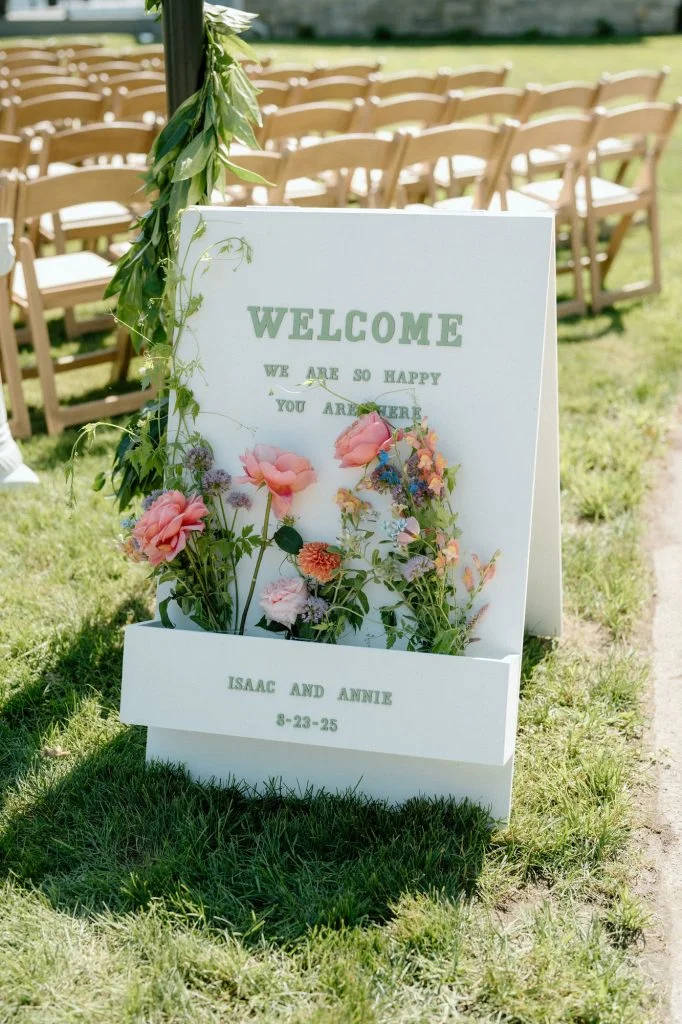
For budget-conscious styles, garden-inspired or wildflower arrangements generally incur lower costs than tightly planned, exotic-flower displays. Explore our collection of bridal bouquet ideas suitable for varied budgets to discover your ideal floral designs.
Common Questions About Wedding Florals
What should I budget for wedding flowers in 2027? Expect to spend between $1,500 to $6,000 or 8 to 12 percent of the total budget, accounting for modest inflation.
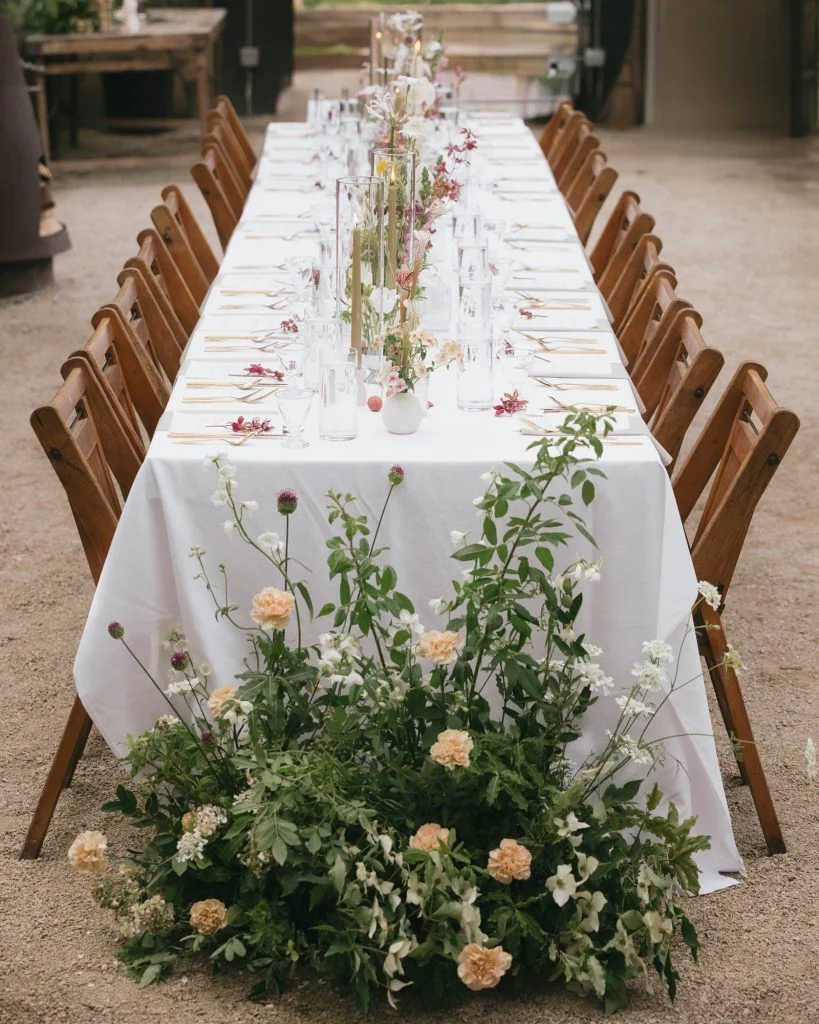
Which part of the floral budget is the most expensive? Generally, centerpieces are the major expense due to multiplication by table count, followed by significant ceremony installations if included.
How can I economize on floral purchases? Utilize seasonal blooms, rely on greenery, repurpose flowers, and integrate budget-friendly decoration elements to enhance arrangements.
When is the best time to book my florist? Aim for 9 to 12 months prior, especially if planning a wedding during peak seasons from May to October, ensuring optimal choice and availability.
Begin Designing with Your Budget in Mind
Turning your floral vision into reality doesn’t necessitate infinite resources. What you genuinely need is a detailed plan that reflects your preferences. Identify priorities, secure quotes early, and tap into your florist’s expertise to maximize every dollar spent.
To assist in planning, try our wedding budget planner to integrate your floral spending into your overall budget. When ready to select a florist, browse through Nearlywed’s vendor directory to find the right match for your celebration.