In lane Planning & Budget
Mastering the In-Between: How to Avoid Wedding “Dead Zones”
Description
Understanding the often-overlooked waiting periods can ensure your wedding flows seamlessly, keeping guests comfortable and engaged throughout the day.

When planning a wedding, couples often focus on the ceremony and reception details, but it’s crucial not to overlook the transitional moments in between. These “dead zones” can create discomfort and confusion for guests if not managed well. To make your celebration enjoyable, consider how to structure these waiting periods effectively.
Decoding the Dead Zones
Every wedding has transitional periods: from the end of the ceremony, when couples step away for portraits, to the brief moments between relocating guests or resetting a ballroom. Though these may seem like minor delays, they accumulate and significantly impact the overall feel of your wedding. For instance, a 15-minute wait while guests are standing in uncomfortable shoes can lead to frustration and fatigue.
Guest feedback might not always be explicit; instead, they could express that the evening felt tedious or that they were unsure of what was happening. The underlying issue often relates to pacing and overall flow.
Why Guests Experience Time Differently
While couples may feel their wedding day flies by, guests often have a different perception. A twenty-minute portrait session may feel prolonged without seating or clear transitions. This discrepancy is especially evident during:
- Weddings held at a single location
- Ballroom flips that require guest relocation
- Extended cocktail hours
- Large guest counts and tightly packed timelines
- Multiple transportation shifts
While the couple is caught up in emotional moments, guests are typically more focused on the day's rhythm and flow, making this distinction important for a seamless experience.
Rethinking Cocktail Hour
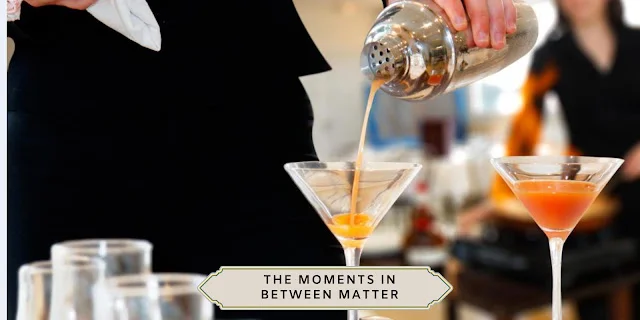
Cocktail hour is often treated as mere downtime while couples take photos. However, guests experience this time emotionally. An hour and a half of well-structured cocktail hour with varied seating options and food stations can feel effortless. In contrast, a 45-minute cocktail hour without sufficient seating or flow can lead to discomfort and dissatisfaction.
The key is not simply the length of time but the quality of the experience during that time. Guests do not require constant entertainment; they want to feel comfortable, informed, and gently guided through transitions.
Managing Overpacked Timelines
Modern weddings often try to include too many activities in too little time, leading to social fatigue among guests. They navigate through various stages, including:
- Ceremony anticipation
- Social interactions
- Standing during transitions
- Cocktail hour
- Introductions
- Dinner
- Speeches
- Dancing
- Transportation coordination
Without meaningful pauses between these stages, guests can feel overwhelmed. Weddings that feel fluid and effortless typically balance activity with rest, ensuring guests are engaged without feeling rushed.
The Art of Thoughtful Hosting
Exceptional hosting tends to go unnoticed but can be felt in the overall comfort and guidance of guests. Factors contributing to this experience include:
- Ample seating during cocktail hour
- Clear timelines and flow
- Smooth transportation coordination
- Intentional timing for portrait sessions
- Communicating clearly about any delays
- Avoiding significant gaps before dinner
Components such as music transitions, lighting adjustments, and thoughtful pacing help create an atmosphere where guests feel relaxed and prioritized. While attendees may not notice the logistics at play, they will remember the level of comfort experienced.
Luxury Equals Comfort
While luxury in weddings is often associated with aesthetic details, the lasting memory for guests is usually one of comfort. A visually stunning wedding that lacks an intuitive flow can leave guests feeling emotionally drained. On the other hand, a well-paced wedding resonates as elevated and luxurious because it highlights guests' needs, guiding them comfortably from ceremony to reception.
Final Thoughts
Ultimately, the most unforgettable weddings do not hinge on perfectly scheduled timelines. Instead, they prioritize how guests feel throughout the day. Weddings that acknowledge and smooth out these transitional moments often leave a lasting impression—long after the decorations have been taken down, what remains is the memory of a day filled with joy and connection.
As you plan your big day, keep in mind how each moment flows into the next, maintaining momentum and ensuring your guests always feel considered. After all, it’s in those quieter in-between moments where the true essence of your celebration can shine.