In lane Planning & Budget
Rethinking Wedding Budgets: Creating Fairness Beyond Tradition
Description
Explore how couples navigate wedding costs today, moving beyond outdated traditions to find fair, realistic budget solutions that work for everyone involved.

Many engaged couples are questioning the traditional notion that the bride's family covers all wedding expenses. Instead, the focus has shifted toward a more equitable approach where costs are shared, reflecting modern family dynamics and financial realities.
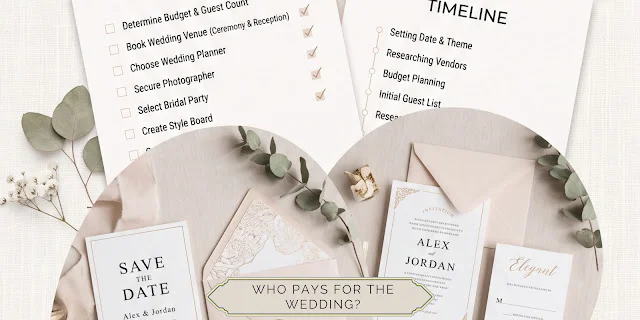
Understanding the Shift in Financial Responsibilities
As wedding planning progresses, the conversation about who pays for what can become more complex. The increasing guest list and mounting expenses force the payment discussion into the spotlight, forcing couples to confront long-standing traditions. The challenge lies in reconciling these traditions with contemporary family structures and financial situations that are far more diverse than they were in the past.
Why the Cost Discussion is Crucial
Weddings have evolved significantly, but the financial expectations surrounding them often lag behind. Many engaged couples are planning their weddings in a context where family roles, contributions, and financial capabilities vary widely. This disparity leads to ongoing discussions about money, revealing the tension between nostalgia for established customs and the realities of today’s relationships. Couples find themselves navigating emotions tied to money and traditions, making the topic feel more significant than it might seem at first glance.
Realistic Approaches to Budgeting
In the current wedding landscape, many couples have moved beyond the old financial norms. Instead of adhering to a rigid model, they are finding ways to split the costs that align with their circumstances. This could mean evenly dividing expenses, assigning certain responsibilities to different families, or having one side contribute a larger share when it feels appropriate. Others take on a more substantial portion themselves to maintain flexibility in their plans.

This approach not only eases financial burdens but fosters an environment where families can contribute meaningfully without discomfort. Maintaining balance and sensibility in these discussions is crucial as the financial factor can easily lead to misunderstandings or resentment if not handled sensitively.
What Fairness Looks Like
It’s vital to understand that fairness in wedding budgeting doesn’t equate to equal contributions. Each couple must determine what "fair" means for them, often reflecting each family's financial situation and willingness to contribute. For many, this might mean that both families give what they can, while the couple absorbs the remainder. It's about crafting a plan that respects everyone involved, balancing expectations, and fostering goodwill.
Furthermore, discussions centered on fairness should lead away from competitiveness or scorekeeping. They should start from a place of collaboration—allowing couples to create a budget that is fully based on open dialogue and mutual respect.
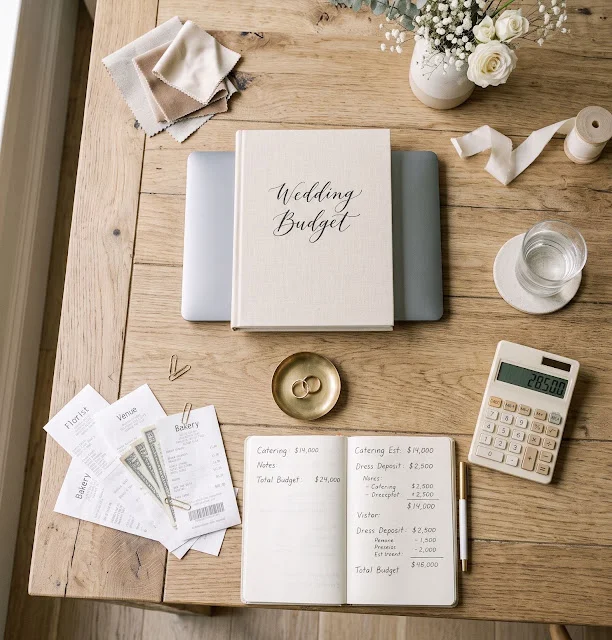
Effective Communication Strategies
The key to navigating financial conversations lies in early and straightforward dialogue. Couples benefit from discussing their budget openly before assumptions lead to conflict. Transparent discussions about individual capabilities and comfort zones help demystify the budgeting process. Couples need to articulate their vision for the wedding, what they believe is necessary, and how each family feels about contributing. While initially uncomfortable, such honesty sets a strong foundation for collaborative wedding planning.
This openness can transform the wedding planning experience, shifting from a mere negotiation over expenses to a cooperative effort that represents everyone’s support and excitement for the celebration.
Creating a Clear Vision
The ultimate goal is to ensure that the financial plan feels fair, respectful, and aligns with everyone's wishes. Having these important conversations about costs can ease any pressure, moving the focus away from tradition to what truly matters: a celebration that embodies the couple's values and shared journey. Letting go of outdated expectations allows each couple to celebrate their unique stories and families in meaningful ways.
Planning a wedding today means acknowledging how personal circumstances shape spending. Each couple has the opportunity to advocate for a budget that reflects their desires and utilizes family support in a way that feels right to them. The emphasis is on creating a meaningful event that brings together loved ones while respecting the diverse financial capabilities of everyone involved.
In Summary: Couples today have the chance to redefine what wedding budgeting looks like, creating a plan that feels intuitive and includes open dialogues with family about contributions. As traditions evolve, the opportunity grows to design a wedding that is both financially sound and deeply personal.