In lane Planning & Budget
Crafting a Wedding-Day Timeline for a Memorable Guest Experience
Description
A thoughtful wedding-day timeline enhances guest experience by ensuring smooth transitions and comfortable pacing, making your celebration unforgettable.

Your wedding-day timeline plays a pivotal role in shaping the guest experience, influencing everything from wait times to the ease of movement between events. A well-structured schedule minimizes chaos and allows guests to feel comfortable, engaged, and informed throughout your special day.
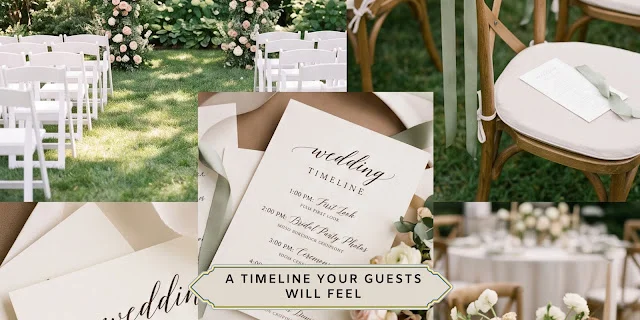
Understanding the Importance of Your Wedding-Day Timeline
Imagine your ceremony just ended—your guests, smiling and excited, share their congratulations while trying to piece together the next steps of the celebration. Some are looking for where to head after the ceremony, others may be seeking refreshments, while family members look for one another to gather for photographs. A well-planned timeline helps mitigate any feelings of confusion or chaos, creating a seamless experience for everyone involved.
A thoughtfully composed timeline doesn't just keep everything organized; it sets the rhythm for your celebration. A considered pace allows guests to remain present and engaged, rather than constantly wondering what happens next. They can savor the ceremony, transition smoothly into the cocktail hour, and settle into dinner with ease, all without feeling rushed.
Introducing the 30–5 Rule
The 30–5 Rule is a practical framework designed to enhance your wedding-day experience. It’s particularly useful for creating breathing room in your timeline to handle unforeseen circumstances. The rule comprises three core principles:
- Include a 30-minute buffer around major anchor events.
- Add five minutes for physical transitions.
- Be fully “show-ready” five minutes before key milestones.
This isn’t just padding your schedule; it’s about safeguarding those vital moments for both you and your guests.
Implementing the 30-Minute Major Buffer
Scheduling a major buffer gives room to absorb any unexpected delays prior to significant events, ensuring that one delay doesn’t disrupt the subsequent flow of the day. Consider potential delays from:
- Hair and makeup completion
- Travel time
- Family and wedding-party photos
- Room setups or flips
- Outfit changes
- Ceremony setup
- Your reception entrance
For example, if your hair and makeup team expects to finish at 1:00 PM, set the next activity for at least 1:30 PM. Such scheduling not only creates a buffer but also reduces stress, allowing for a more relaxed experience.
Five-Minute Transitions
The significance of the five-minute transition cannot be overstated. This time accounts for movement, ensuring both you and your guests can transition smoothly from one event to another without feeling rushed. These transitions can be crucial when:
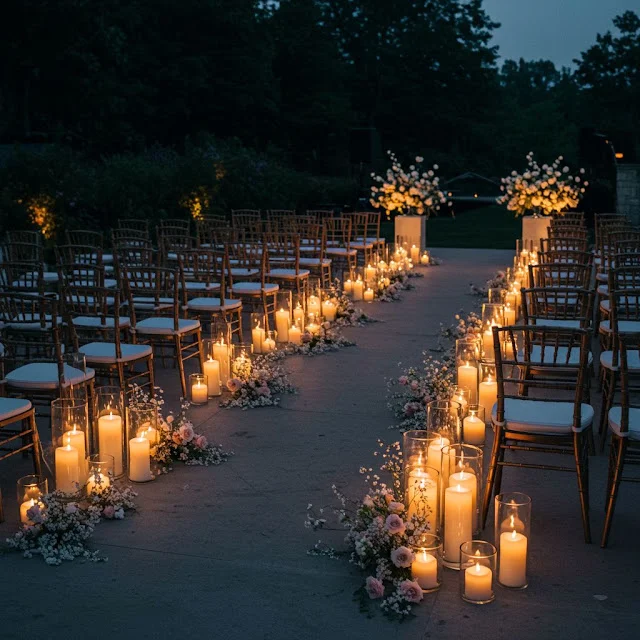
- Moving guests from the ceremony to cocktail hour
- Gathering the wedding party for photographs
- Walking from your getting-ready space to portrait locations
- Seating guests before your grand entrance
- Transitioning between indoor and outdoor spaces
- Resetting rooms between event portions
While five minutes might seem brief, even small delays can cascade, turning a short transition into an extended wait. Designing your timeline to accommodate smooth movement can greatly enhance the overall experience.
The “Ready at 5” Principle
Aiming to be fully prepared five minutes before a major milestone is essential. This encompasses more than just your attire—it includes:
- Ensuring hair and makeup are complete
- Having your bouquet and accessories ready
- Clearing your person of personal items
- Informing your wedding party of next steps
- Ensuring your photographer and coordinator are set
- Staying hydrated
- Having a moment to breathe and collect your thoughts
This brief interval allows you to arrive at each moment composed, fostering a more enjoyable experience.
Focusing on Guest Experience
When crafting your timeline, it’s key to view your day through the lens of your guests. Consider what they will be doing when they arrive and their understanding of where to go next. Here are some vital questions to prompt your planning:
- What activities will occupy guests upon arrival?
- Will they know their next destination?
- Is there a comfortable area for them to wait?
- What if the ceremony is delayed?
- How will they transition to cocktail hour?
- Are refreshments available during this time?
- When will they be seated for dinner?
- Are there gaps in time where they might be unsure what's happening?
Identifying gaps in your timeline can help ensure your guests feel attended to and engaged. This could mean thoughtful refreshments, beautiful music, comfortable seating, and effective signage to guide them along the way.
The Power of Transitions
While the main events of your wedding day are undoubtedly important, the transitions between them can significantly shape the guest experience. Key transitions include:
- Ceremony to cocktail hour
- Cocktail hour to reception
- Guest seating before your entrance
- Speeches following dinner service
- Dancing opening
- Transitioning from dessert to late-night food
- Moving from outdoor portions to indoor
Effective transitions create seamless movement, enhancing the overall flow of your day. Whether your wedding is in one location or multiple spaces, account for ease of transition and comfortable pacing within your timeline.
Shaping the Vibe Through Timing
The timeline does more than just outline what happens next; it directly influences the atmosphere. If formalities stack tightly, your guests may feel overwhelmed and disengaged. Conversely, a delayed dinner can sap energy from the dance floor. Well-timed entries, meals, speeches, and the first dance can generate excitement and maintain engagement throughout the evening.
Sample Guest-Centered Timeline
To illustrate the synergy between your schedule and guest experience, consider this sample timeline crafted using the 30–5 Rule:
- 4:30 PM: Guests begin to arrive and are directed to the ceremony.
- 4:55 PM: Guests are settled as the prelude begins.
- 5:00 PM: The ceremony commences with a calm and punctual start.
- 5:30 PM: Ceremony concludes, and family photos commence while guests transition to cocktail hour.
- 5:30 - 6:30 PM: Portraits are taken while guests enjoy drinks, hors d’oeuvres, and music.
- 6:25 PM: Guests receive cues to find their seats.
- 6:30 PM: Reception begins smoothly without extended waits.
- 6:45 PM: Dinner service initiates comfortably.
- 7:45 PM: Speeches take place at an engaging point of the meal.
- 8:15 PM: Dancing begins as the celebration flows naturally into high spirits.
This timeline serves as a flexible template, adaptable based on your specific venue, guest list, and priorities.
Key Questions for Your Timeline
As you finalize your wedding-day schedule, consider the following questions to ensure you’ve covered all bases:
- Where might guests experience delays?
- What will they do during portrait sessions?
- How will they navigate through the day?
- Have you allowed adequate time for transitions and transport?
- When will meals be served?
- Are speeches placed effectively within the service flow?
- Does your plan accommodate older guests, children, or those with mobility needs?
- What contingencies are in place for unexpected delays?
- Will there be time for you to enjoy your own celebration?
- Does your timeline align with the overall mood you wish to create?
Your timeline should be shared with your vendors, wedding party, and anyone involved in helping guide your guests, inclusive of details beyond couple-facing events. Schedules should encompass vendor arrivals, setups, photography priorities, and transportation logistics to guarantee a smoothly executed day.
Final Thoughts
While your guests may never see your timeline, the care put into its creation will be felt throughout the day—from the calm start of your ceremony to the energetic dancing at the reception. The 30–5 Rule helps to foster a relaxed atmosphere that prioritizes both your experience and the guest journey, ensuring you all immerse yourselves in the celebration rather than merely managing it.
Remember, on your wedding day, you should be a guest at your celebration, not its stage manager!