In lane Cakes, Food & Reception
Considering a Name Change After Marriage: Weighing Your Options
Description
Deciding whether to change your last name after marriage is deeply personal; here’s a look at the reasons behind both choices.
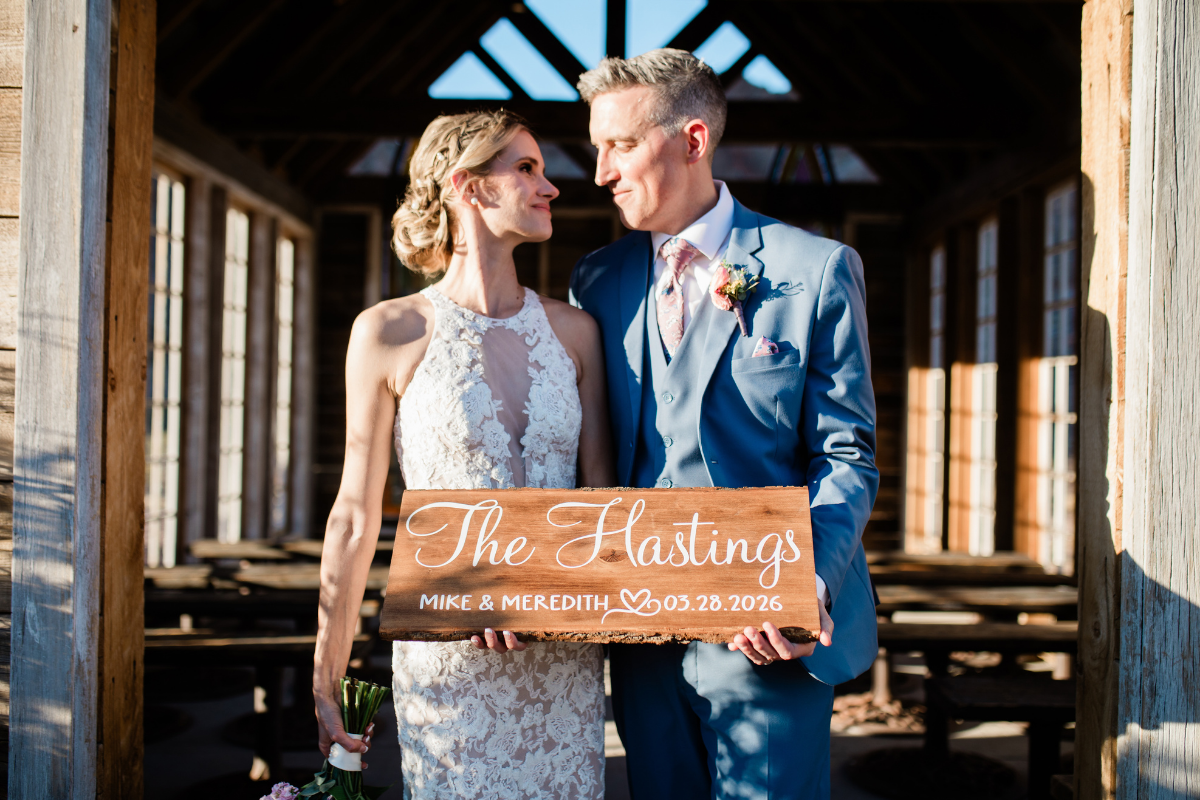
Changing your last name after marriage is a common practice, with approximately 80% of women opting to take their husband's name. However, this tradition is increasingly being questioned and redefined. The decision to keep or change your last name is highly personal, with valid reasons supporting both choices. Here's a deeper look at what you might consider when making this important decision.
Reasons to Switch Your Last Name
Creating a Unified Family Identity
For many couples, adopting a shared last name symbolizes the formation of a new family unit. This decision often resonates with those planning to have children, as it fosters a sense of unity and belonging within the family. Introducing yourselves with the same last name can help cultivate that cohesive identity, not just for you but also for your future children. It can simplify dynamics within the family and give a sense of togetherness.
Personal Preference for the New Name
Another compelling reason for changing your last name is personal preference. If your maiden name is complicated, hard to pronounce, or carries negative associations, adopting your spouse's surname might be seen as a refreshing change. Many individuals find a husband’s name more appealing or easier to manage, especially when considering how it fits into professional and social spheres. A name that rolls off the tongue can also impact how you feel about your identity.
Significance to Your Partner
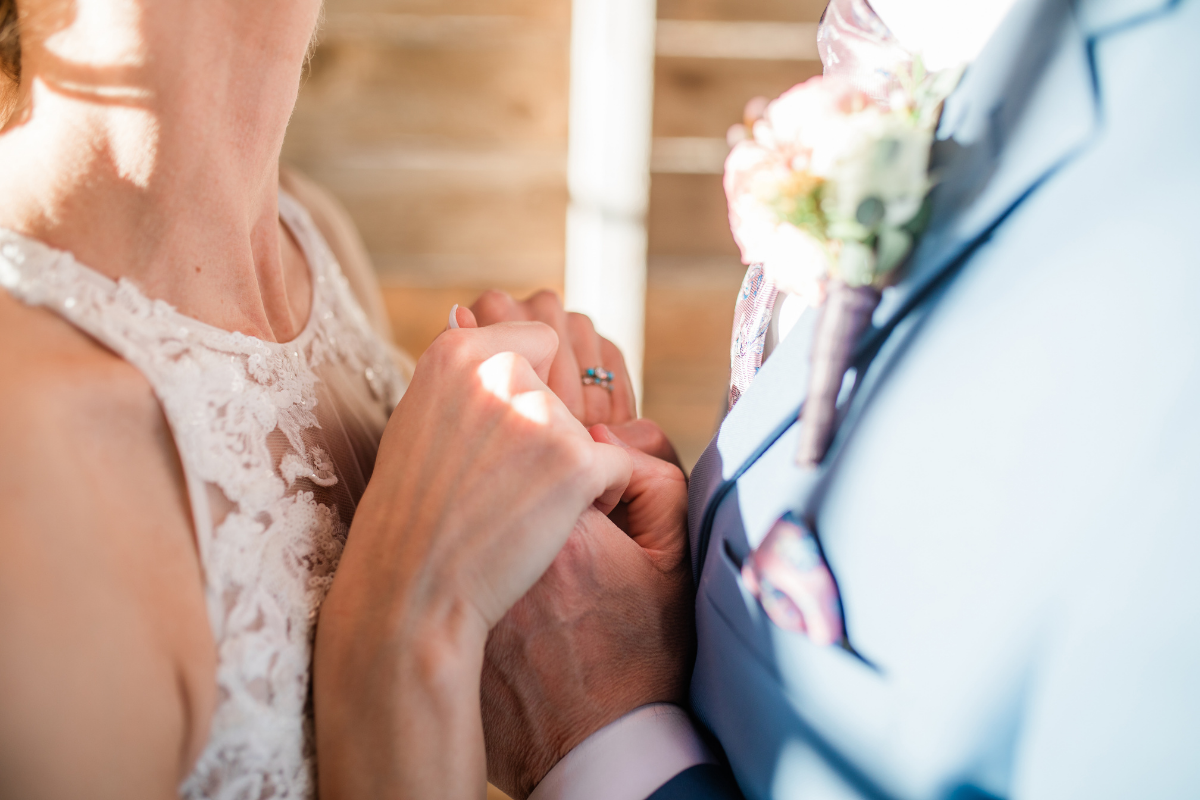
In some relationships, changing your last name may hold particular significance for your partner. They might express a desire for family continuity or cultural traditions that emphasize the importance of the matrilineal name change. This can be a meaningful way to show commitment and togetherness, making the name change more than a practical decision—it turns into an emotional gesture of love and unity.
Moving On from a Complicated History
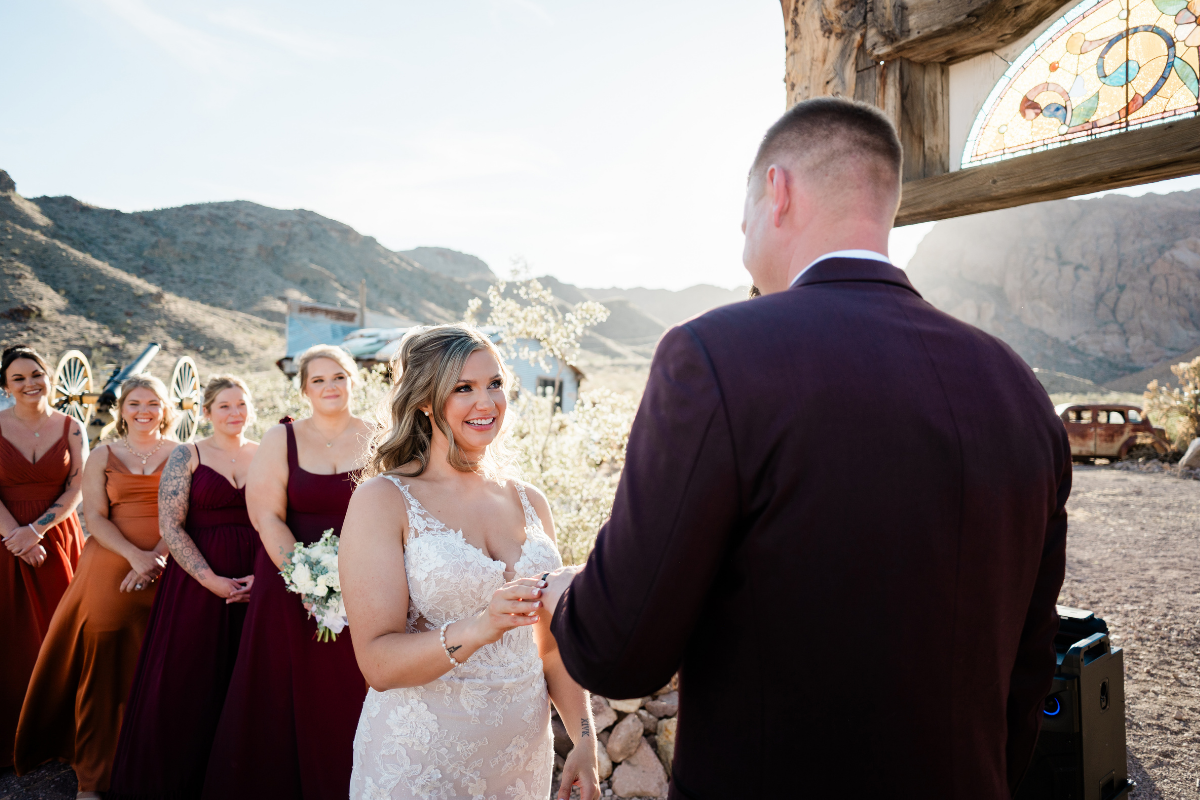
For some, shedding their maiden name can be about more than a physical transformation; it can symbolize emotional healing. If a last name is linked to distressing family histories, such as divorce or abuse, changing it can represent a fresh start. Many individuals feel empowered by reframing their identity, allowing them to embrace new narratives as they step into the next phase of their lives.
Reasons to Keep Your Last Name
Preserving Your Identity
Your last name is a core part of your identity. Many women feel a deep sense of connection to their maiden name, which embodies their personal history, legacy, and family connections. Giving it up can feel like losing a piece of oneself. Historically, women like suffragist Lucy Stone fought passionately for their right to maintain their names. Her legacy reflects the ongoing importance of names in understanding self and cultural identity.
Opportunities for Personal Branding
In today’s world, many women establish careers and brands tied to their maiden names. Changing names may confuse established contacts and clients and would require significant effort to rebrand professionally. Many opt to keep their maiden names in professional settings while using their married name socially, finding a balance that respects both identities.
The Practical Aspect of Name Change
Changing your last name can be administratively cumbersome. Many individuals weigh whether this hassle is worth the emotional benefits they may receive from changing their names. This choice often brings up questions about personal convenience. Additionally, in some cases, there are concerns about losing the right to vote if the name change isn’t handled properly.
Men Taking Their Spouses’ Names
While it remains relatively rare, some men also choose to take their spouse's last name. According to a recent article, about 20% of single male respondents surveyed in a USA Today poll expressed ambivalence about name changes, indicating that the conversation around last names is evolving. For men who feel a strong connection to their partner’s name or wish to redefine family lineage, this choice is becoming more accepted. It’s a personal decision that can reflect modern views on marriage.
Making a Choice
The decision to change your surname after marriage can be challenging, with around 24% of unmarried women expressing uncertainty about their choice. Ultimately, this choice should align with your values, beliefs, and preferences as a couple. Whether you choose to embrace your spouse’s last name, retain your own, or find a hybrid solution, what matters most is that the decision feels right for both of you.
As you plan your wedding and consider various thoughts surrounding your new identity, remember to communicate openly with your partner. Embrace this new chapter, however you decide to label it, and know that there's no definitive right or wrong choice—only the choice that feels best for you.