In lane Planning & Budget
Rethinking Wedding Planning: Embrace Phases Instead of Timelines
Description
Shift from traditional wedding timelines to a phased approach for a more personalized and stress-free planning experience that aligns with your life.
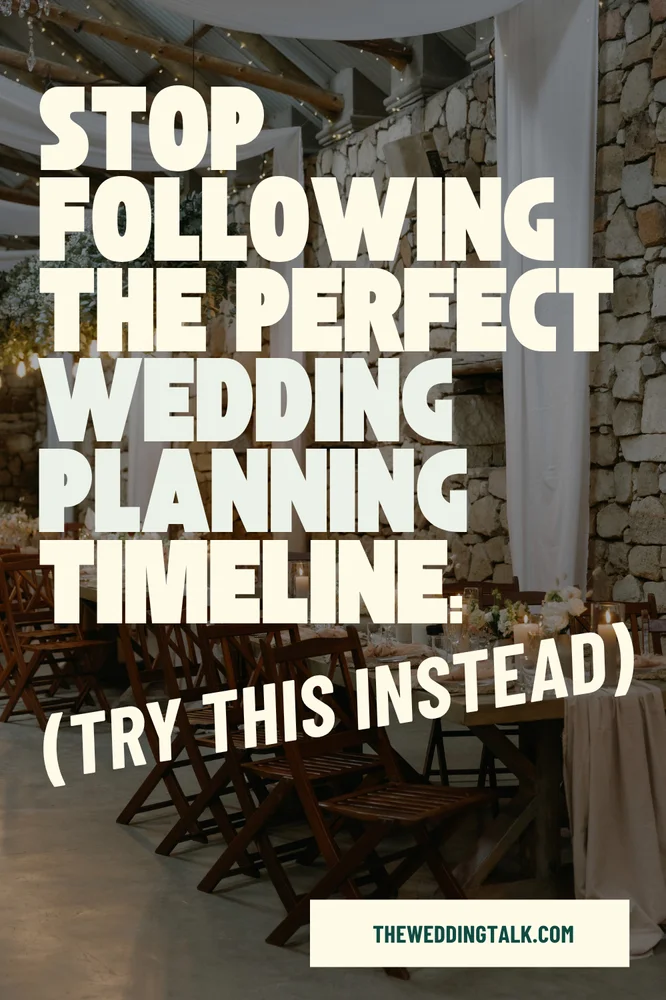
Getting engaged can be both exhilarating and overwhelming. Once the excitement fades, the flood of questions begins: “When’s the big day? Have you booked a venue? What’s your plan?” It’s easy to feel pressured and start searching for a wedding planning timeline online. You might find a checklist filled with tasks organized neatly by month—12 months’ worth of to-dos that promise a stress-free engagement. However, this method only works for a narrow band of couples with specific situations.

Here’s the thing: most couples don’t fit that mold. The anxiety of comparing your progress to a standard timeline can drain the fun from the wedding planning process. While a wedding checklist tells you what month it is, it fails to consider your unique circumstances—your life, your relationship, your finances, and what you genuinely want for your wedding.
This article aims to introduce a more flexible framework: planning in phases instead of adhering strictly to timelines. This approach is all about understanding where you are in the planning process and making decisions that resonate with your needs.

The Limitations of Month-by-Month Checklists
The traditional wedding planning timeline isn’t built for personalization; it’s designed for publication. This format is a broad template based on assumptions that often don’t align with the realities faced by couples. For instance, it assumes:
- You got engaged at least a year before the wedding.
- You have free time consistently to research vendors and make decisions.
- The vendor market in your area is robust and accessible.
- Your family dynamics are straightforward.
- You have a clear and agreeable budget.
- Your work life has no seasons of intensity.
Each assumption that doesn’t match your situation can create a sense of being “behind” on your planning. But let’s be clear: feeling behind on someone else's checklist doesn't equate to being behind on your own journey. The couples that struggle most often aren’t the ones who started late; they’re the ones trying to meet a standard not set for their unique circumstances.

Shifting to a Phased Planning Approach
By planning in phases, you can ask different questions such as, “What stage am I in, and what decisions should I focus on right now?” Unlike timelines, which put pressure on completion by specific months, phases prioritize completion of key tasks before moving on. It’s about finishing a phase based on your unique context.
This matters more than you might realize. Rushing through a phase can lead to rushed decisions that don’t reflect the clarity you need. For instance, if you try to book vendors without understanding your budget or guest count, you might find yourself in situations that result in regret down the line. The couples who enjoy their engagement often aren’t the fastest planners but those who understand their phase and give themselves permission to fully be present in that space.

Phase 1: Foundation
The preliminary phase might seem mundane, but it’s arguably the most crucial. The fundamentals you need to solidify during this phase are:
- Date
- Location
- Budget
- Approximate guest count
These fundamentals are interconnected and serve as a foundation for every decision you make afterward. For example, your guest count influences which venues are viable. In return, location and date shape your available vendor options, while your budget frames every choice going forward. You can’t effectively make decisions without knowing these four pillars are aligned.

Stay flexible in deciding how long this phase lasts; some couples complete it swiftly, while others may require months. A critical exercise is to project what your life will look like in the weeks leading up to your wedding. If you work in a demanding job with a busy schedule, understanding that those final weeks may be particularly stressful is crucial. Planning your wedding shouldn’t be squeezed into an already packed life.
Phase 2: Vendors Round One & Major Personal Choices
With your venue secured, you enter the bustling second phase. This phase involves engaging key vendors such as:

- Caterer
- Photographer or videographer
- DJ or entertainment
These are structural choices critical to the framework of your wedding, shaping the possibilities that fit into your vision. Additionally, it’s time to make significant personal choices regarding your wedding dress, bridal party selections, guest accommodations, and any surrounding events like a rehearsal dinner.
Remember, it’s perfectly acceptable to meet inquiries from friends or family about details you’re still working through with “I don’t know yet; I'm in the early stages.” Managing external expectations during this active period is critical to keeping your focus on the pressing tasks ahead.

Phase 3: Design
This is the fun part—deciding how your wedding will feel. You’ll choose elements like the color story and the ambiance that best reflects you as a couple. However, remember that this phase also brings the most vulnerability. Family suggestions, vendor pressures, and comparisons on social media can all add stress.
Prioritize a conversation with your partner about your true desires before input from others influences your vision. Who do you want to include in the decision-making process? Having a predetermined understanding helps filter feedback according to what resonates with you both.

Phase 4: Vendors Round Two
Now comes the exciting transition of turning your ideas from the previous phase into concrete action. In this phase, your choices coming out of design will translate into real life—connecting with florists, rental companies, and beauty teams to execute your vision. It’s also when invitations go out and wedding websites go live.
One critical piece of advice: do not jump into Phase Four until you’re truly prepared for decision-making. Whether it’s about floral arrangements or beauty services, crystal clarity regarding your vision is essential. If you feel uncertain, linger in the design mode longer, refining your vision until you’re ready to commit significant resources.

Phase 5: Final Stretch
The final stretch is undoubtedly intense, filled with vendor confirmations, managing RSVPs, and preparing for any last-minute changes. The weeks leading up to your date can often feel overwhelming.
Understanding that this rush is a natural part of the process can make it more manageable. Couples who breeze through this phase tend to have made reasonable decisions in prior phases, avoiding the need for reviews on choices made under pressure.

Be prepared for the reality that RSVPs will often trickle in late. This universal truth about weddings impacts everyone, regardless of their love and relationships.
Knowing When to Push and When to Pause
Another liberating aspect of this phased approach: taking a deliberate break isn't falling behind—it's a strategic tool. Recognize that different seasons of your life may impact your planning energy. Busy work periods or family crises might make this journey strenuous.

Here’s a quick guide to managing those peaks and valleys:
Push hard when:- Your budget has just been finalized.
- You’ve booked something significant and feel energized.
- A decision you’ve deferred could aid several others.
- You have a clear stretch of time ahead.
- Your job is especially demanding.
- A family matter requires your full attention.
- You’re experiencing disagreements with your partner.
- You find yourself making anxious rather than thoughtful choices.
Pausing is distinctly different from avoiding the planning process. It involves consciously deciding when to step back and naming when to resume.

Essential Conversations Before Planning
Finally, let’s address the often-overlooked aspect of communication in wedding planning. It brings underlying themes such as values, family dynamics, financial discussions, and personal preferences to the forefront. Avoiding foundational conversations can lead to conflicts later in the process.
Be proactive and tackle these topics early:

- What does your ideal day feel like? What can’t you imagine doing without?
- What could you easily let go of?
- Are there pressures to include something you don’t genuinely want?
- What’s the actual budget rather than aspirational?
- Will family contributions come with expectations?
- If cuts are necessary, what would go first?
- Who genuinely needs to be at your wedding for it to feel right?
- Are there family dynamics to consider in your planning?
- Whose opinions matter to you, and how do you plan to manage unsolicited advice?
- What does your work and life schedule look like?
- How will each of you contribute to and share the planning workload?
- What will it look like when one of you feels overwhelmed, and how will you communicate this?
These discussions won't resolve everything upfront, but addressing them before delving into planning decisions assures that you’re working from a shared foundation rather than navigating conflicts mid-process.
More Than Just a Wedding
Wedding planning is a journey—it's about preparing for a lifetime together while navigating the demands that come with it. The objective isn’t merely to execute a flawless event; it’s to cultivate a meaningful day without sacrificing your personal connection or happiness along the way.
Transitioning to a phased planning method restricts the unrealistic pressures of task-focused timelines and instead fosters clarity and intentional progress. You have the right to take adequate time in each phase, and your engagement itself deserves protection as a season in your life.
With a focus on personalized planning, progress effectively as you navigate this beautiful journey. Your path doesn’t have to be confined to a strict checklist; it should reflect the authentic rhythm of your relationship.